







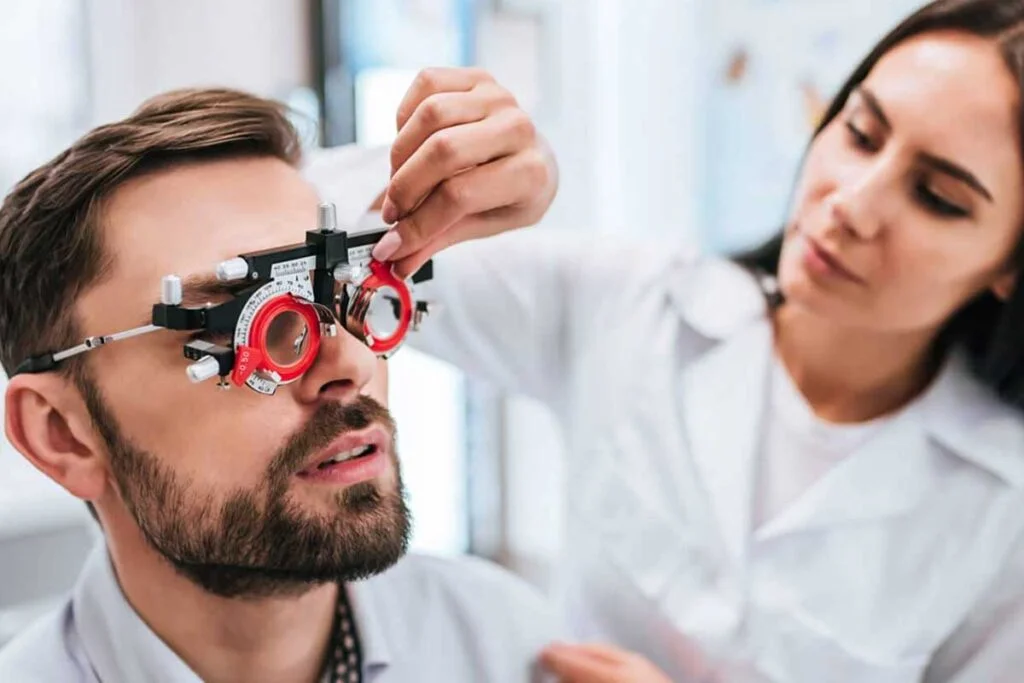
You can go a long time without thinking much about your eyes. Vision changes often creep in slowly, and it is easy to brush off headaches, squinting, dry eyes, or trouble reading small print as part of getting older or spending too much time on screens. A lot of people wait until something feels clearly wrong, whether they are concerned about routine eye care or considering cataract surgery in McLean. By then, a small issue may have turned into a bigger one.
That is why regular visits matter. The benefits of regular eye exams go beyond updating a prescription. Seeing an eye doctor on a routine basis can catch eye disease early, protect your overall health, and make daily life easier and safer. If you have been putting it off because your vision seems “good enough,” you are not alone. You are also not stuck there.
Regular eye exams catch problems before you feel them
One of the biggest reasons to schedule routine care is simple. Many eye conditions do not cause obvious symptoms at first. Glaucoma, diabetic eye disease, macular degeneration, and even some retinal problems can develop quietly. You may feel fine, keep driving, keep working, keep reading messages on your phone, and still have changes happening inside the eye.
That is where a full exam makes a difference. An eye doctor can look for pressure changes, damage to the optic nerve, retinal issues, and other warning signs that you cannot see in the mirror and may not notice in your day to day life. The National Eye Institute explains why a dilated eye exam plays such an important role in finding eye disease early.
The hard part is that vision loss from some conditions cannot be reversed once it happens. People often assume they will know when something is wrong, then feel blindsided when they learn damage has already started. Regular checkups shift that timeline. Early detection gives you more treatment options and a better chance of protecting your sight.
Seeing an eye doctor regularly supports your overall health
Your eyes can reveal more than vision problems. During an exam, signs of diabetes, high blood pressure, autoimmune conditions, and high cholesterol may show up in the blood vessels or tissues inside the eye. That means an appointment for your vision can also uncover issues affecting the rest of your body.
This matters more than many people realize. Maybe you have been feeling a little off, getting more headaches, or noticing blurry vision that comes and goes. You might assume stress or fatigue is causing it. Sometimes that is true. Sometimes it is not. An eye exam can be one of the first places a deeper health problem shows up.
The broader value of eye care is one reason public health sources continue to stress preventive exams. MedlinePlus offers a useful overview of eye care and common eye conditions, including symptoms and risk factors that often overlap with general health concerns.
Routine visits to an eye doctor are not only about reading letters on a chart. They are part of staying aware of what your body is doing before symptoms force your attention.
Better vision improves how you work, drive, and get through the day
There is also the daily quality of life piece, and that one is easy to underestimate. Even mild vision changes can wear you down. You may rub your eyes more, avoid driving at night, hold books farther away, miss details on screens, or end the day with tired eyes and a sore neck. None of that sounds dramatic, but it adds up.
Clear vision affects how safely you drive, how comfortably you work, how well you learn, and how confident you feel moving through the world. Children may struggle in school without realizing they are not seeing clearly. Adults may blame themselves for losing focus when the real issue is uncorrected vision. Older adults face a higher risk of falls when depth perception or contrast sensitivity declines.
One of the most practical reasons to see an eye doctor is that life simply works better when your vision is properly supported. The right prescription, treatment for dryness, help with eye strain, or follow-up care for an ongoing condition can make ordinary tasks feel less frustrating.
The risks of waiting often outweigh the effort of preventive eye care
Putting off care can feel easier in the short term. You save time, avoid the appointment, and tell yourself you will go later. The problem is that waiting often leads to higher costs, more complex treatment, and more disruption if an issue has progressed.
| Situation | Regular Eye Doctor Visits | Waiting Until Symptoms Get Worse |
|---|---|---|
| Vision changes | Small prescription updates, less strain, easier daily function | More headaches, blurred vision, trouble driving or reading |
| Eye disease detection | Better chance of finding problems early | Higher risk of damage before diagnosis |
| Overall health clues | Possible early signs of diabetes or blood pressure issues noticed during exam | Health concerns may go unnoticed longer |
| Cost and treatment | Preventive care and simpler follow-up when needed | More intensive care if a condition advances |
This is the practical side of the advantages of routine eye checkups. The appointment may feel easy to postpone, but the price of delay is often higher than people expect.
Three steps you can take right away
1. Pay attention to subtle changes. Blurry vision, light sensitivity, floaters, dry eyes, frequent headaches, and trouble seeing at night all deserve attention. You do not need to wait for severe pain or major vision loss to take them seriously.
2. Schedule exams based on your risk, not just your symptoms. If you have diabetes, high blood pressure, a family history of eye disease, or you are over 40, routine exams become even more important. Children and older adults also benefit from consistent monitoring.
3. Treat the exam as preventive care, not a last resort. Put it on the calendar the way you would any other health visit. If you wear glasses or contacts, bring them. If your eyes feel “mostly fine,” go anyway. That is often when preventive care does its best work.
Protecting your sight starts with consistency
Your vision affects almost everything you do, and small changes can quietly shape your comfort, safety, and health. The 3 key benefits of visiting an eye doctor regularly are clear. Problems can be caught early, health issues can be spotted sooner, and everyday life becomes easier when you can see well.
If you have been delaying an appointment, this is a good time to change that. Schedule a visit with an eye doctor and give your eyes the routine care they deserve.