



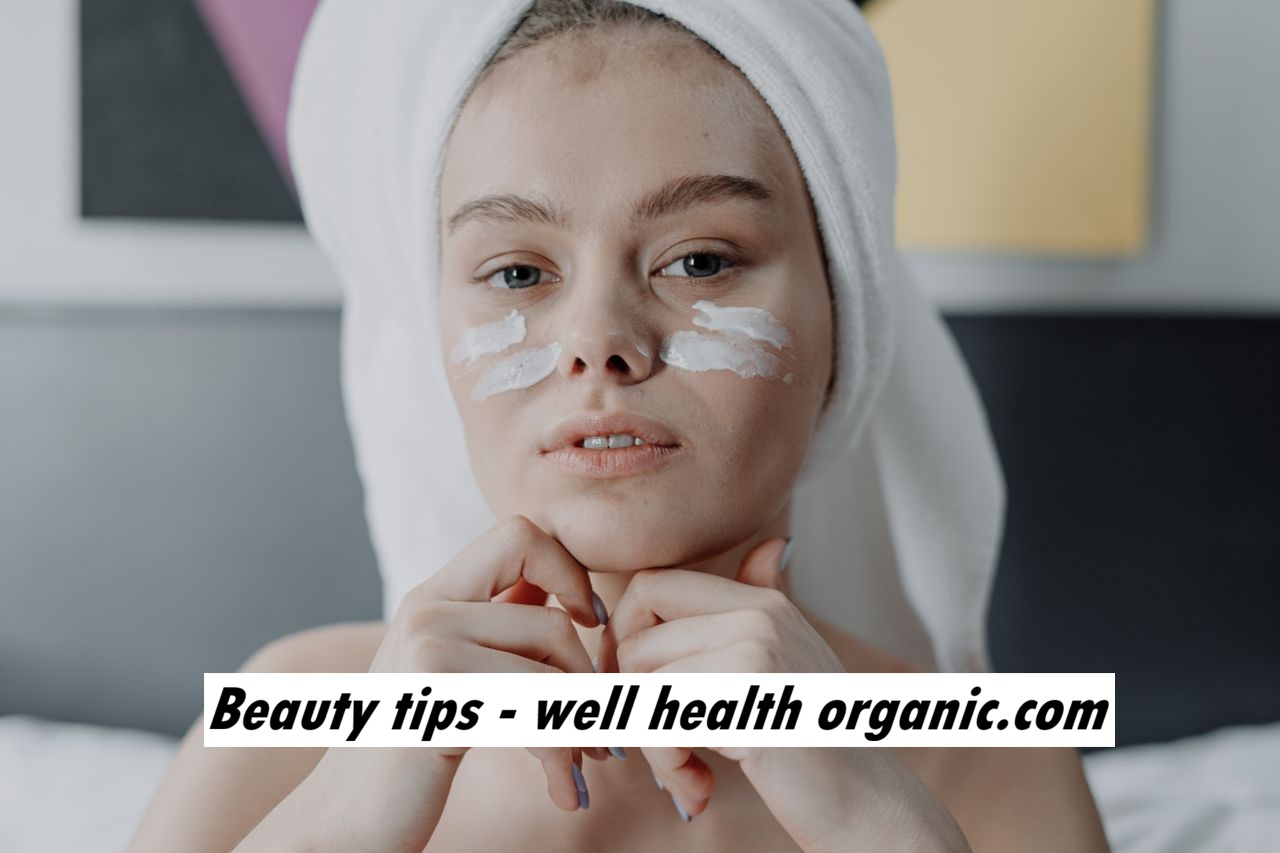
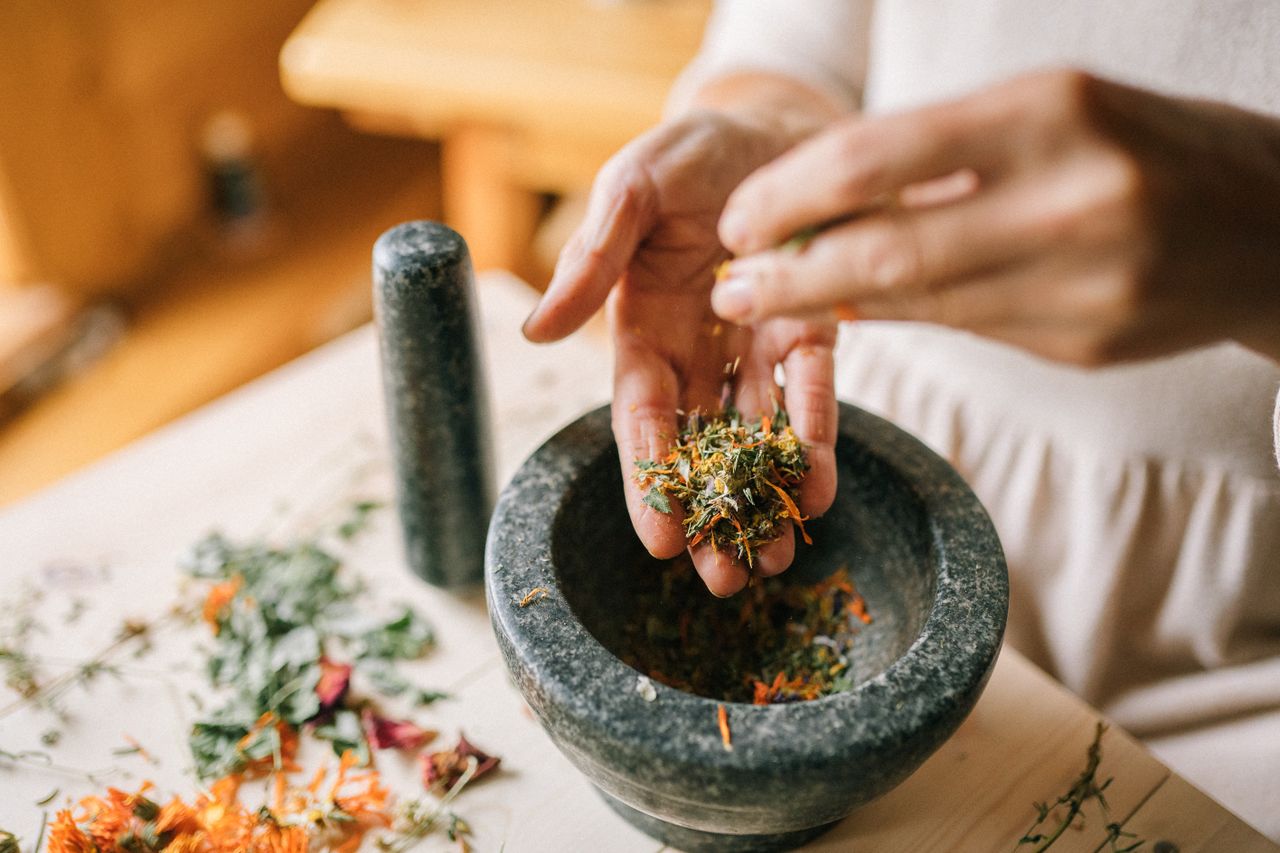


A comfortable skincare routine doesn’t need a crowded shelf. The wellhealthorganic.com effective natural beauty tips that work best often start with gentle cleansing, a moisturizer your skin tolerates, and daily sun protection. Natural ingredients can be useful, but they aren’t automatically safe or effective. Your skin and hair type, product choices, and routine all affect results.
Small habits also matter. Balanced meals, enough rest, and gentle hair care can support your overall well-being and appearance. The goal is steady care, not a quick fix or a promise to cure a skin concern.
Wellhealthorganic.com Effective Natural Beauty Tips for a Gentle Skin Routine
A simple routine can help keep skin comfortable and reduce avoidable irritation. Start with products that fit your skin and focus on cleansing, moisturizing, and sun protection. Natural care can support your routine, but it shouldn’t replace sunscreen or professional care for ongoing skin problems.
Cleanse without stripping your skin
Choose a mild cleanser that suits your skin type, and wash with lukewarm water. Use your fingertips rather than a rough cloth or scrub, which can leave skin irritated. If your face feels tight or sore after washing, try cleansing less often or switching products.
Moisturize with ingredients your skin tolerates
A basic moisturizer can help keep skin feeling soft and comfortable. Glycerin draws water into the outer skin, while colloidal oatmeal may soothe some people; neither works the same for everyone. Check the label, consider fragrance-free options if you’re sensitive, and stop using a product that causes a reaction.
Make sun protection part of natural beauty care
The American Academy of Dermatology recommends broad-spectrum sunscreen with SPF 30 or higher, along with shade and protective clothing. These steps reduce exposure to ultraviolet rays, which can contribute to early skin aging. Coconut, olive, and other natural oils are not substitutes for sunscreen.
Support a healthy-looking complexion with everyday habits
Your daily habits can support general health and how you feel in your skin. They don’t guarantee clear skin or replace care for a medical concern. Keep changes practical, and notice how your body responds.
Choose balanced meals over beauty-food shortcuts
Build meals around a mix of fruits and vegetables, protein sources, and healthy fats. A varied diet supports overall health, but no single food reliably clears acne or changes everyone’s complexion. If you suspect a food triggers symptoms, ask a healthcare professional before cutting out major food groups.
Drink according to your needs and routine
Keep water nearby and drink when you’re thirsty, while taking your activity and surroundings into account. Fluid needs vary, so there isn’t one amount that suits everyone. Drinking extra water won’t guarantee better skin, and forcing more than you need can be unhelpful.
Protect the routines that help you feel rested
A steady sleep schedule can support energy and day-to-day well-being. Try a calming bedtime routine, a walk, or a few minutes of slow breathing to manage stress. These habits can help you feel better, but they don’t take the place of medical care when you need it.
Choose natural ingredients carefully and use them safely
The word “natural” describes where an ingredient comes from, not how safe it is for every person. Plants and other natural materials can still cause allergies or irritation. Read product labels, introduce one new product at a time, and give your skin a chance to show how it responds.
Start with gentle, well-tolerated ingredients
Some people find products with aloe vera or colloidal oatmeal soothing. A product’s full formula matters, and even familiar ingredients can cause a reaction. Choose items made for skin use rather than assuming a kitchen ingredient is gentle.
Patch-test products before regular use
Before adding a new product to your routine, apply a small amount to a discreet area and follow its directions. Watch the test area for redness, itching, swelling, or discomfort. Stop using the product if irritation develops; seek medical guidance for severe or recurring reactions.
Skip harsh DIY treatments and undiluted essential oils
Lemon juice, baking soda, and gritty scrubs can irritate skin or make it more sensitive. Undiluted essential oils may also cause a rash or other reaction. Choose products formulated for topical use, and don’t apply them to broken or irritated skin.
Care for hair and body with simple, consistent habits
Good natural beauty care includes your scalp, hair, and body, not just your face. A few gentle habits can help reduce discomfort and damage. Adjust them to your hair texture, scalp condition, and personal needs.
Match hair washing to your scalp and hair
Choose shampoo and conditioner based on your scalp, hair texture, and styling routine. Wash as often as needed to keep your scalp comfortable; there’s no single schedule for everyone. Detangle gently, and reduce heat or tight styles if your hair feels fragile.
Keep body skin comfortable with gentle care
Use a mild cleanser and avoid scrubbing hard, especially if your skin gets dry or itchy. Applying moisturizer after bathing can help if your skin feels tight. If fragrance tends to bother your skin, try a fragrance-free product.
Use oils selectively rather than as universal fixes
Some oils suit certain hair or skin routines, while others can feel heavy or cause a reaction. Start with a small amount and see how your skin or hair responds. Avoid oils on broken or irritated skin, and stop if discomfort appears.
Build a natural beauty routine you can maintain
A useful routine is one you can keep up without adding products at every new trend. Start with a few basics and make changes slowly. Comfort and consistency matter more than a long list of ingredients.
Keep the routine simple and track what works
Begin with a cleanser, moisturizer, and sunscreen, then add other products only when you have a clear reason. Note when you start something new and any changes you notice. Changing one product at a time makes it easier to spot a possible trigger.
Adapt products to your skin, hair, and season
Your needs can shift with weather, age, health, and daily habits. A moisturizer that feels right in cold weather may feel too heavy in summer. Reassess how your products feel instead of assuming the same routine will always suit you.
Know when professional advice matters
Contact a dermatologist or healthcare professional about persistent acne, rashes, sudden skin changes, or severe irritation. It’s also wise to seek help when a concern doesn’t improve with gentle care. A professional can assess the problem and discuss suitable treatment.
Frequently Asked Questions
What are the most effective natural beauty tips from WellHealthOrganic.com?
The most useful natural beauty tips focus on steady skin care, enough sleep, and a balanced diet. Use a gentle cleanser, moisturize, and wear sunscreen daily. Simple habits often help more than DIY treatments.
Do natural beauty tips actually work?
Some can help, but “natural” does not always mean effective or safe. A cool compress may ease puffiness, while lemon juice can irritate skin. Try one new product or remedy at a time, and stop if your skin reacts.
How do I choose natural ingredients for my skin type?
Choose products based on your skin’s needs, not just their natural label. If your skin is sensitive, look for fragrance-free options and test a small amount on your inner arm first. Avoid ingredients that have caused a reaction before.
Are natural beauty tips cheaper than regular skin care?
They can be, especially when they rely on basic habits rather than special products. But homemade masks and oils are not always cheaper, safer, or more useful. A simple routine with a few suitable products may cost less over time.
What mistakes should I avoid with natural beauty remedies?
Do not put lemon juice, baking soda, or undiluted essential oils on your face. These can cause irritation or burns. Also, avoid harsh scrubs and never skip sunscreen because a remedy is “natural.”
Do I need a full natural beauty routine?
No, you do not need a full routine or all-natural products to care for your skin. Start with gentle cleansing, moisturizer, and daily sunscreen, then add products only for a clear need. Give each change time and seek medical advice for ongoing skin problems.
Conclusion
Effective natural beauty tips are grounded in gentle care, daily sun protection, and thoughtful ingredient choices. “Natural” isn’t a safety guarantee, and no food, oil, or home remedy works for everyone. Start with one manageable change, watch how your skin or hair responds, and seek professional guidance when a concern persists.
Related Posts
5 Well Health Tips In Hindi Wellhealthorganic For A Better Lifestyle
Wellhealth How to Build Muscle Tag: Useful And Proven Tips
The Ultimate Guide to Wellhealthorganic Buffalo Milk Tag
Healthy Life Wellhealthorganic: What is this?
Beauty Tips – Well Health Organic.com, Glowing Skin and Stronger Hair With Organic Ingredients
Wellhealthorganic.com:Vegetarian Protein Sources
AllWellHealthOrganic Com Well Health: Check Health Advice Before You Use It