







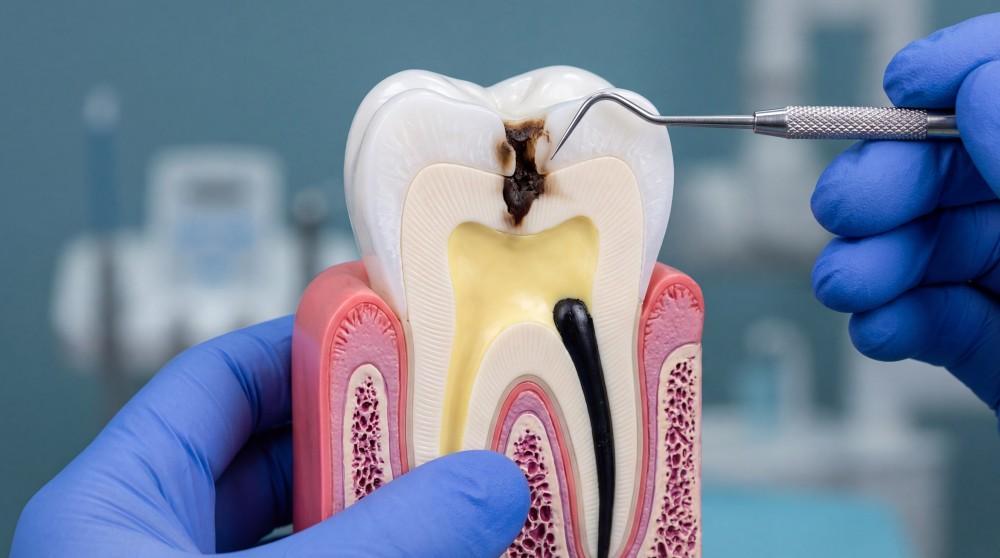
You may have started with a dull ache that came and went, then turned into pain when you drank something cold, chewed on one side, or tried to sleep. A tooth problem like that gets into everything. It can make meals stressful, distract you at work, and leave you wondering if the fix will be painful, expensive, or both. In cases like this, endodontic treatment in Bolingbrook may be the right solution.
That is often where endodontics comes in. An endodontist focuses on the inside of the tooth, where infection and inflammation can threaten the tooth’s survival. The goal is simple. Stop the pain, remove infection, and keep your natural tooth in place when it can be saved. That is the heart of long term dental health through endodontics. Saving a tooth does more than solve one bad day. It helps protect your bite, your chewing function, and the health of the teeth around it.
Endodontics protects natural teeth before bigger problems spread
When the soft tissue inside a tooth becomes inflamed or infected, the problem does not usually stay small. Deep decay, a crack, trauma, or repeated dental work can damage the pulp. Once bacteria reach that space, pain may build slowly or hit all at once. Some people feel pressure, swelling, or sensitivity that lingers long after a sip of coffee or a bite of ice cream. Others feel almost nothing until the infection is advanced.
If the infection is left alone, it can move beyond the tooth root and affect the surrounding bone and gum tissue. That can mean an abscess, facial swelling, or a tooth that can no longer be restored. According to MedlinePlus information on root canal treatment, root canal therapy removes diseased pulp, cleans the root canal space, and seals it to help prevent reinfection.
This matters because your natural teeth work together like a system. Lose one tooth, and the nearby teeth can start to shift. Your bite can change. Chewing may become uneven, which puts extra stress on other teeth and the jaw. A single untreated infection can turn into a chain reaction that affects comfort, function, and cost over time.
Saving the tooth often supports stronger oral health than extraction alone
Many people hear “root canal” and think the worst. The fear is real, and it usually comes from old stories, not current care. Modern treatment is designed to relieve pain, not create it. This discussion from the University of Colorado Anschutz makes the point clearly: natural teeth are worth saving whenever possible.
That is a big reason endodontic treatment for oral health matters. A saved tooth keeps the natural root in the bone, which helps preserve the structure that supports your mouth. Extraction can still be the right option in some cases, but removing a tooth often leads to more decisions, more appointments, and more expense if you want to replace it with a bridge, partial, or implant.
You might be thinking about the short term. You want the pain gone. That makes sense. The long term still matters, because the fastest answer is not always the one that protects your health best. If a tooth can be restored, keeping it usually gives you the most natural function and feel.
Root canal therapy helps preserve comfort, function, and daily life
The value of a treated tooth shows up in ordinary moments. You chew without favoring one side. You drink something cold without bracing yourself. You stop worrying that a flare up will ruin a weekend or wake you up at 2 a.m. That is where root canal treatment supports lasting oral health. It removes infection, reduces pain, and gives the tooth a chance to keep doing its job.
Harvard Health’s overview of what to expect with a root canal explains that the procedure is routine and focused on cleaning out the infected tissue so the tooth can be restored. In many cases, the tooth is then protected with a filling or crown, which helps it function normally again.
That sequence matters. Endodontic care is not just about one procedure. It is part of a larger plan to keep your mouth stable. When infection is removed early and the tooth is restored well, you reduce the chance of more serious damage later.
Comparing tooth preservation and extraction shows the long term tradeoffs
| Option | Main Benefit | Long Term Concern | Best Fit |
|---|---|---|---|
| Endodontic treatment and restoration | Preserves the natural tooth and chewing function | May need a crown and follow up care to protect the tooth | Teeth with treatable infection or pulp damage |
| Extraction without replacement | Removes the infected tooth quickly | Can lead to shifting teeth, bite changes, and bone loss | Teeth that cannot be saved or patients delaying replacement |
| Extraction with replacement | Addresses the gap after removal | Usually involves higher cost, more time, and multiple procedures | Teeth that are beyond repair |
A simple example makes this clearer. If a back molar has an infected nerve but solid surrounding structure, endodontic care may save it and restore normal chewing. If that same tooth is pulled and not replaced, the teeth around it may drift over time, and the opposite tooth may begin to over-erupt. What looked like one problem can become several.
Clear next steps make endodontic care less overwhelming
Pay attention to early warning signs. Lingering sensitivity, swelling, pain when biting, and a tooth that feels dark or different should not be ignored. Early treatment often means more options and less disruption.
Ask whether the tooth can be saved. If you are facing a painful or infected tooth, ask directly about prognosis, restoration needs, and alternatives. An endodontist can evaluate whether the tooth is a good candidate for treatment and explain what comes next.
Follow through after treatment. The root canal is one part of the process. If your tooth needs a permanent filling or crown, get it done on schedule. Good brushing, flossing, and regular dental visits help protect the treated tooth and the rest of your mouth.
Endodontics supports long term oral health by helping you keep what still works
You do not need to ignore pain, and you do not need to assume extraction is the only answer. Endodontics supports long term oral health by treating infection at the source and preserving natural teeth whenever possible. That can mean less pain now and fewer problems later. If you are dealing with tooth pain or have been told you may need this kind of care, schedule an evaluation with an endodontist and find out whether your tooth can be saved.