







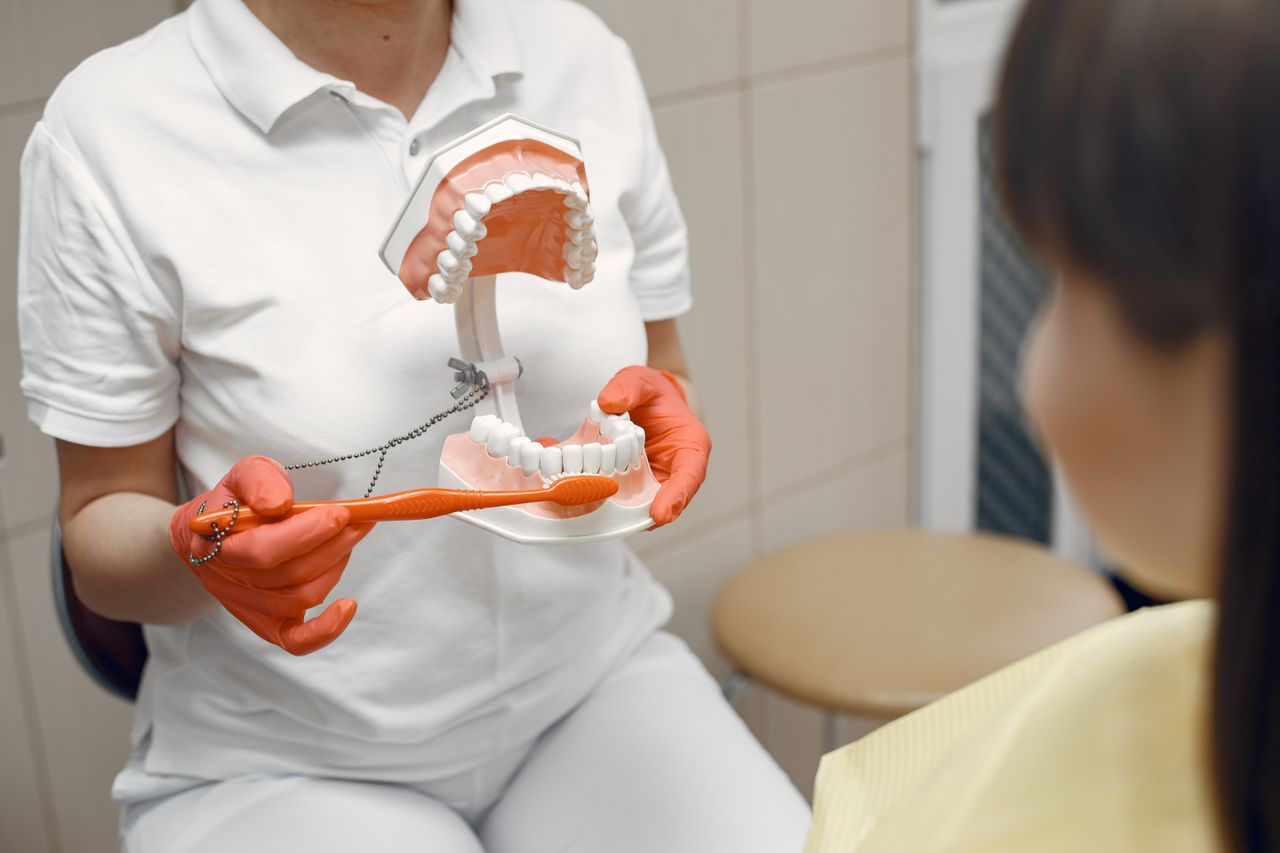
You might start with a routine dental visit and hear that your bite is off, your teeth are crowding, or your child may need braces later on. That can leave you with more questions than answers. Do you keep seeing your regular dentist, or do you need a Bronxville and Eastchester orthodontist too? If you are feeling unsure about who handles what, that makes sense. Dental care can feel confusing when more than one professional is involved.
The short answer is simple. Orthodontists and general dentists often work as a team because straight teeth and a healthy mouth depend on each other. One focuses on tooth movement and bite alignment, while the other watches your overall oral health, including cleanings, cavities, gum health, and long-term prevention. When they coordinate care, you get a safer and smoother treatment plan.
Why does teamwork between a dentist and orthodontist matter so much?
A general dentist is often the first person to notice signs that something is changing. Maybe a child’s adult teeth are coming in crowded. Maybe a teen has a deep bite that is wearing down front teeth. Maybe an adult has shifting teeth caused by gum issues or missing teeth. Because regular dental visits happen more often, the dentist can spot these issues early and refer you to an orthodontist before the problem gets harder to correct.
That referral is not a handoff where one provider disappears. It is usually the start of shared care. The orthodontist studies how your teeth and jaws fit together and creates a plan for braces, clear aligners, or other treatment. Your general dentist keeps tracking the basics that matter just as much, like decay, plaque buildup, gum inflammation, and the condition of fillings or crowns.
Why is that so important? Because moving teeth in a mouth that is not healthy can create bigger problems. If you have untreated cavities or gum disease, orthodontic treatment may need to wait. According to the CDC’s oral disease resources, oral health affects overall health and quality of life, which is one reason coordinated care matters.
What can happen if orthodontic care and general dental care are not coordinated?
It is easy to assume that straightening teeth is only about appearance, but that is only part of the picture. Teeth that are crowded or out of alignment can be harder to clean, and that can raise your risk of plaque buildup and decay. At the same time, braces or aligners require close monitoring so treatment stays on track without harming enamel or gums.
Picture a common situation. A patient starts braces, feels excited, and focuses on adjustment visits. Then routine cleanings get pushed aside. A few months later, there are swollen gums or white spots on the teeth from poor brushing around brackets. The orthodontist can guide tooth movement, but the general dentist is the one who helps catch and manage those broader oral health issues before they become lasting damage.
There is another side to this too. Sometimes a dentist sees wear patterns, jaw strain, or broken restorations and realizes the bite itself is causing stress. In that case, bringing in an orthodontist is not extra care for the sake of it. It is targeted care that can protect teeth over time. That is one reason orthodontic care with dental teamwork tends to lead to better outcomes than isolated treatment.
How do orthodontists and dentists divide their roles during treatment?
The division is usually clear, even if it feels overlapping from the patient side. A general dentist handles exams, X-rays, cleanings, fillings, and gum health. An orthodontist handles diagnosis and treatment related to alignment, bite correction, and tooth movement. If you need both, each provider supports the other.
For example, before braces begin, your dentist may recommend treating cavities or improving gum health first. During treatment, the orthodontist checks movement and appliance fit, while your dentist keeps up with preventive care. After treatment, retainers help preserve alignment, and your dentist continues routine monitoring. Information from sources like MedlinePlus on orthodontia can also help you understand the differences in these roles.
| Area of Care | General Dentist | Orthodontist | Why Both Matter |
|---|---|---|---|
| Routine exams and cleanings | Primary role | Limited role | Keeps teeth and gums healthy during treatment |
| Cavity and gum disease treatment | Primary role | Monitors for impact on treatment | Healthy teeth move more safely |
| Bite alignment and tooth movement | Identifies concerns and refers | Primary role | Creates a plan that improves function and appearance |
| Long-term retention and follow up | Watches for changes at checkups | Provides retainer guidance | Helps keep results stable |
What should you do if you are told to see both?
If you have ever wondered whether this is duplicative, you are not alone. But in most cases, it is the opposite. It is a sign that your care is being looked at from more than one angle. Research and education supported by the National Institute of Dental and Craniofacial Research continue to shape how providers understand growth, bite issues, and oral development. That shared knowledge is part of why referral networks exist.
You do not need to become an expert in every dental specialty. You just need to know what questions to ask and how to stay engaged. A strong dentist and orthodontist collaboration should make your care feel clearer, not more overwhelming.
What are the best next steps if orthodontic treatment is on the table?
1. Ask each provider what they are watching for. If your dentist refers you out, ask what triggered the referral. If you see an orthodontist, ask how your bite or alignment affects your oral health. This helps you understand the purpose behind treatment, not just the process.
2. Keep routine dental visits on the calendar. Even if you are busy with braces or aligners, do not pause cleanings and exams. This is one of the simplest ways to protect your enamel, gums, and investment in care. Good general dentistry supports every stage of orthodontist treatment.
3. Make sure records are shared. X-rays, treatment notes, and updates should move between offices when needed. If that is not happening automatically, ask. Good communication can prevent delays, mixed messages, and avoidable costs.
So, where does that leave you?
If you or your child may need braces, aligners, or bite correction, needing both a dentist and an orthodontist is usually a good sign. It means your care is being handled with more care, not more confusion. Straight teeth matter, but healthy teeth and gums matter just as much. When those goals are treated together, the path tends to feel steadier.
If you have been referred for orthodontic treatment, take that next appointment and bring your questions with you. A thoughtful, coordinated plan can give you more confidence, fewer surprises, and a healthier smile that lasts.