







You did the hard part already. You replaced a missing tooth, showed up for healing visits, and started getting used to the feel of your implant. Then a new concern shows up. How do you know what “healthy” looks like around an implant, and how will your dental team, including periodontist services Albuquerque, catch trouble before it turns into bone loss or failure?
That is where periodontal charting matters. If you have implants, a baseline is not just a box to check. It is the record that helps your periodontist and implant dentist tell the difference between stable tissue and early disease. Without it, small changes can be missed. With it, you have a clearer path for long term maintenance, cleaner follow up visits, and fewer surprises.
Periodontal charting gives implant patients a clear starting point
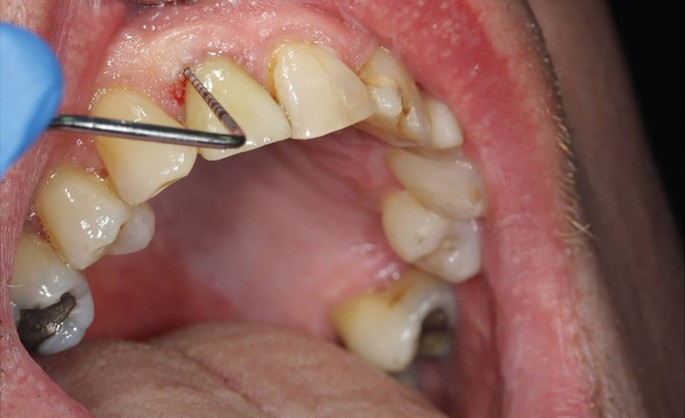
Natural teeth and dental implants do not behave in exactly the same way. The tissue around an implant can look calm even when deeper changes are starting. You may not feel pain. You may not see obvious swelling. That is why periodontal charting for implant patients is so useful. It creates a measurable starting point for pocket depths, bleeding, gum levels, plaque, and tissue response around the implant.
If you have ever been told that your gums “look fine,” but you still felt unsure, that feeling makes sense. Visual checks alone do not tell the full story. A healthy baseline helps your provider compare today’s findings with what was normal for you after healing. That matters because one patient’s stable 3 millimeter reading may not mean the same thing as another patient’s new 5 millimeter pocket with bleeding.
Research continues to support close monitoring of peri implant tissues, especially because implant complications often begin quietly. A review on peri implant diseases explains how diagnosis depends on clinical findings such as bleeding on probing, probing depth changes, and radiographic bone levels. You can read more in this overview of peri implant disease diagnosis and management.
Missing a healthy baseline makes early implant problems harder to catch
The problem is not only infection. The bigger issue is uncertainty. If no one recorded your baseline after the implant healed, your provider has less context when a number changes. Was that deeper pocket always there, or is it new? Is the tissue margin stable, or has recession started slowly over time? Has bleeding increased, or was it present from the beginning?
This is where people often get frustrated. You keep your cleaning visits, you brush well, and you still hear terms like mucositis or peri implantitis. That can feel unfair. Yet implants live in a mouth shaped by bite forces, home care habits, medical history, smoking status, past gum disease, and the fit of the restoration. A small issue in one of those areas can build over months before it becomes obvious.
A growing body of evidence also shows that patients with a history of periodontal disease need careful implant maintenance. This clinical review on periodontal and peri implant monitoring outlines why regular assessment of soft tissue and bone support is central to long term implant health.
In plain terms, if your implant is going to stay healthy, someone needs to know what healthy looked like at the start.
Implant periodontal charting tracks changes that routine cleanings can miss
Implant gum charting is more than probing numbers. A complete chart often includes bleeding on probing, suppuration, plaque levels, recession, keratinized tissue width, mobility, and radiographic bone reference points. For many patients, this is the first time they realize implant maintenance is its own category of care, not just a standard cleaning with a quick glance.
That difference becomes clear in real life. A patient may come in every six months, have no pain, and still show increasing bleeding around one implant. Another may have stable probing depths but a night grinding habit that adds stress to the restoration and surrounding tissue. A general cleaning can help control buildup, but it may not capture the full picture without focused peri implant charting.
| Monitoring Approach | What It Usually Includes | What Can Be Missed |
|---|---|---|
| Routine cleaning visit only | Visual exam, basic cleaning, general home care review | Subtle pocket changes, early bleeding patterns, baseline comparison |
| Implant focused periodontal charting | Probing depths, bleeding, recession, plaque, tissue quality, radiographic review | Less likely to miss early peri implant tissue changes |
| Delayed evaluation after symptoms begin | Pain check, swelling review, targeted imaging | Early disease window when treatment is simpler |
Practical steps help protect your dental implants over time
Ask for a true baseline record.
If your implant is newly restored or recently healed, ask your provider to document probing depths, bleeding points, gum levels, and a radiographic bone reference. If the implant has been in place for years and no baseline exists, ask for one now. A late baseline is still better than none.
Keep maintenance visits specific to implants.
Tell your office you want your implant checked as an implant, not only as part of a routine cleaning. That can change what is measured, how often imaging is updated, and whether you need care from a periodontist and implant dentist instead of general maintenance alone.
Pay attention to small changes at home.
Bleeding when flossing, a bad taste near the implant, food trapping, gum tenderness, or a crown that feels slightly different can all matter. None of these signs guarantee disease, but they do justify an earlier visit. Waiting for pain is a mistake because peri implant problems often progress with very little discomfort.
A healthy baseline supports long term implant care
Your implant does not need guesswork. It needs a record, regular comparison, and a dental team that treats changes early. That is the value of periodontal charting. It turns vague reassurance into measurable follow up and gives you a better chance of keeping your implant healthy for years.
If you have an implant or are planning one, ask for baseline charting and ongoing monitoring from a periodontist and implant dentist. That simple step can make future decisions clearer and help protect the work you have already invested in.