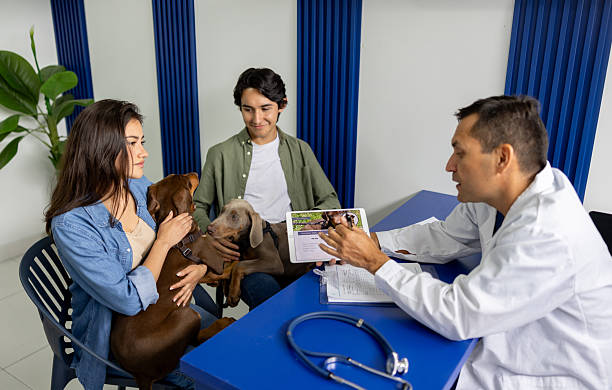







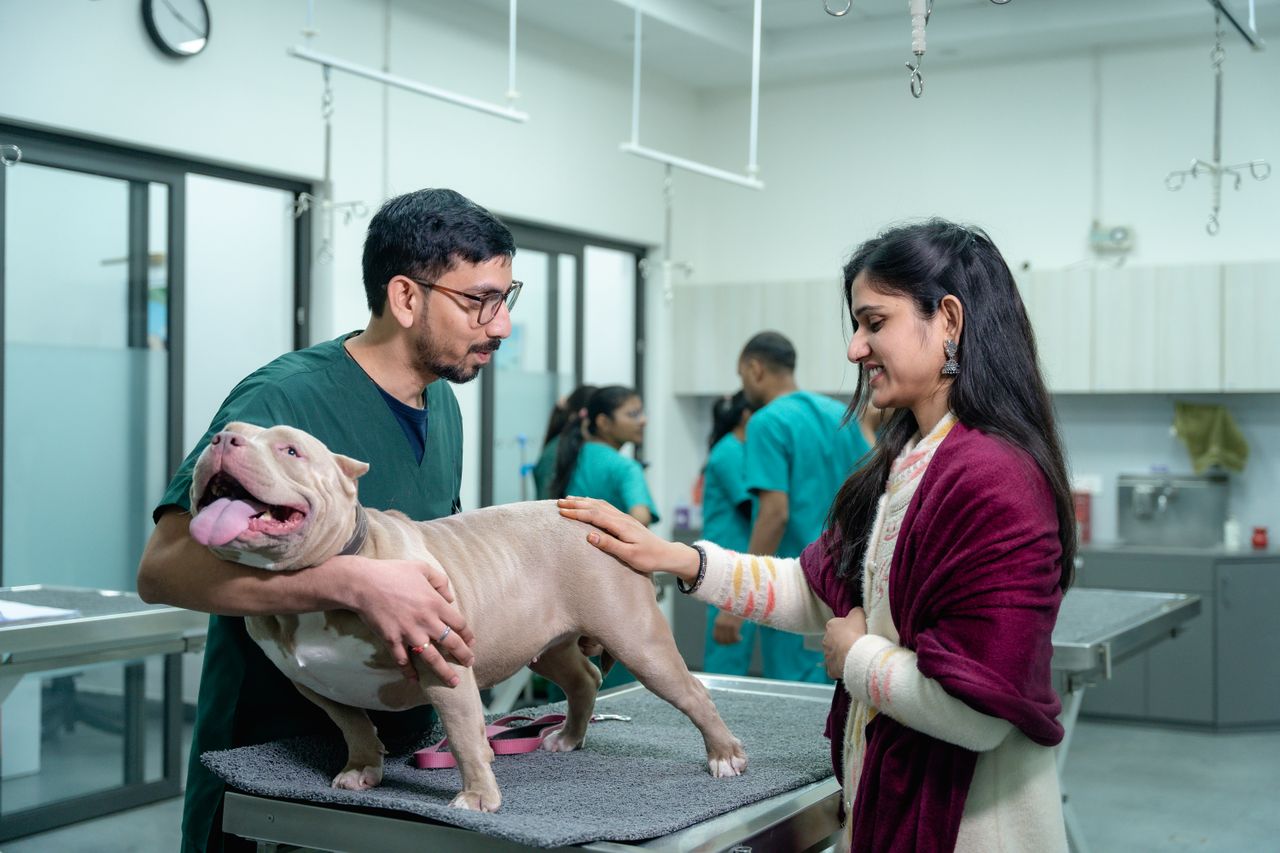
You might be reading this after a hard moment, when your pet suddenly could not stand, would not stop vomiting, or looked at you in a way that made your stomach drop. One minute the day felt normal, and the next you were trying to think clearly while your mind raced ahead. That kind of fear is real, and it can make even simple choices feel heavy, which is why reaching out to a compassionate veterinary team in Devonshire can make all the difference.
What helps, in moments like this, is knowing what usually happens behind the doors of an animal hospital. The short answer is that emergency teams move fast, sort patients by urgency, stabilize breathing and pain first, and then build a treatment plan based on exam findings, testing, and your pet’s response. When you understand that process, the chaos starts to feel a little more manageable.
What happens first when an animal hospital handles an emergency?
When you arrive, the first goal is not paperwork or perfect details. It is triage. That means the team quickly checks the most urgent problems first, such as trouble breathing, heavy bleeding, collapse, seizures, heatstroke, or signs of shock. In pet emergency care, the order of treatment is based on medical need, not arrival time, which can feel upsetting if you are waiting while someone else is rushed in. Still, that system protects the animals who are closest to crisis.
Because of this tension, you might wonder what the staff is looking for so quickly. Usually, they are checking airway, breathing, circulation, temperature, pain level, gum color, heart rate, and mental status. If your pet is unstable, the team may move straight to oxygen support, IV access, fluids, bloodwork, imaging, or emergency medication before a full history is even complete.
This can feel abrupt, especially if you want answers right away. But in an emergency, stabilizing first often creates the best chance for a clear diagnosis later. A pet with bloat, toxin exposure, urinary blockage, trauma, or internal bleeding may need immediate support before anyone can safely slow down and explain every step.
Why do emergency animal hospitals move in stages instead of giving instant answers?
In stressful moments, you want a simple answer. What is wrong, how bad is it, and can it be fixed? The hard part is that many emergencies look alike at first. Weakness can come from heart disease, poisoning, blood loss, low blood sugar, infection, or pain. Vomiting can point to something mild, or it can be the first sign of an obstruction or pancreatitis. That is why how animal hospitals manage emergency situations often involves layers of care rather than one quick conclusion.
First comes stabilization. Then comes focused testing. After that, the veterinarian talks through likely causes, treatment choices, cost ranges, and what the next few hours may look like. In some cases, your pet improves quickly with fluids, anti nausea medication, and monitoring. In others, the team may recommend surgery, overnight hospitalization, or transfer to a specialty service.
If there is one thing worth remembering, it is this. Emergency care is often a process of narrowing risk while protecting life. That can feel slow from the waiting room, but it is a careful kind of speed.
How do animal hospitals balance urgency, cost, and communication?
This is one of the hardest parts for families. You are worried about your pet, and at the same time you may be asked to make decisions about diagnostics, hospitalization, or surgery under pressure. Good emergency teams try to explain priorities clearly. They often separate care into what must happen now, what should happen soon, and what can wait if your pet stabilizes.
So, where does that leave you? It helps to ask a few direct questions. Is this test needed to keep my pet safe today, or is it to confirm a diagnosis? What treatment starts now if I need a few minutes to think? What signs would mean the situation is getting worse? Those questions can ground the conversation when emotions are running high.
Preparation matters here, too. The American Veterinary Medical Association offers practical guidance on pet disaster preparedness, which can help you keep records, medications, and emergency contacts ready before a crisis happens. Training also shapes the care you receive. Veterinary programs such as those highlighted by Texas A&M Veterinary Education reflect the depth of learning behind emergency assessment, diagnostics, and patient support.
What problems do emergency veterinary hospitals treat most often?
An animal hospital may see a wide range of urgent cases in a single shift. Common emergencies include breathing distress, seizures, severe vomiting or diarrhea, allergic reactions, toxin ingestion, broken bones, bite wounds, heatstroke, urinary blockage, difficult labor, and collapse. Some cases look dramatic but respond well to prompt care. Others seem mild at first and become serious within hours.
For example, a dog that ate chocolate may only need monitoring and treatment if seen quickly, while a cat that has not urinated can decline fast and may need urgent decompression and hospitalization. Timing changes outcomes. That is why calling ahead, describing symptoms clearly, and bringing any medication bottles or toxin packaging can help the team act faster.
What practical choices can help you during emergency veterinary care?
The table below can help you see how common emergency decisions are often handled in real life.
| Situation | What the hospital may do first | What you can do |
|---|---|---|
| Trouble breathing | Provide oxygen, limit stress, assess heart and lungs | Call ahead, keep your pet calm, avoid offering food or water |
| Possible poisoning | Check stability, identify toxin, begin decontamination or antidote care | Bring the package, note the time and amount, do not induce vomiting unless told |
| Hit by car or trauma | Control pain, check for internal bleeding, take imaging if stable | Use a flat surface or towel for transport, keep movement limited |
| Vomiting, diarrhea, or collapse | Check hydration, blood sugar, temperature, and circulation | Share the timeline, bring a stool or vomit photo if helpful, list current medications |
What can you do right now if your pet has a crisis?
1. Call before you leave. A quick phone call gives the hospital time to prepare oxygen, isolation space, or emergency supplies. It also helps you know whether to come in at once or head to a specialty center.
2. Focus on the timeline. Write down when the problem started, what changed, what your pet may have eaten, and any medicines given. In emergency veterinary care, those details can shape treatment faster than you might expect.
3. Keep an emergency file ready. Store vaccine records, medication lists, microchip information, and your regular vet’s contact details in one place. If you ever need urgent care again, you will not have to search while panicking.
How can you move forward with more confidence?
No one wants to need an emergency visit, and no pet owner feels fully ready when the moment comes. Still, knowing how animal hospitals manage emergency situations can take some of the fear out of the unknown. The process is built to protect life first, gather answers carefully, and help you make the next decision one step at a time.
If your pet seems in distress, trust what you are seeing and seek help right away. Fast action, clear communication, and calm preparation can make a real difference.