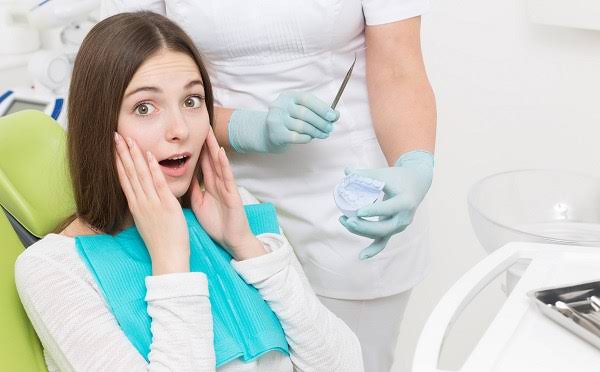







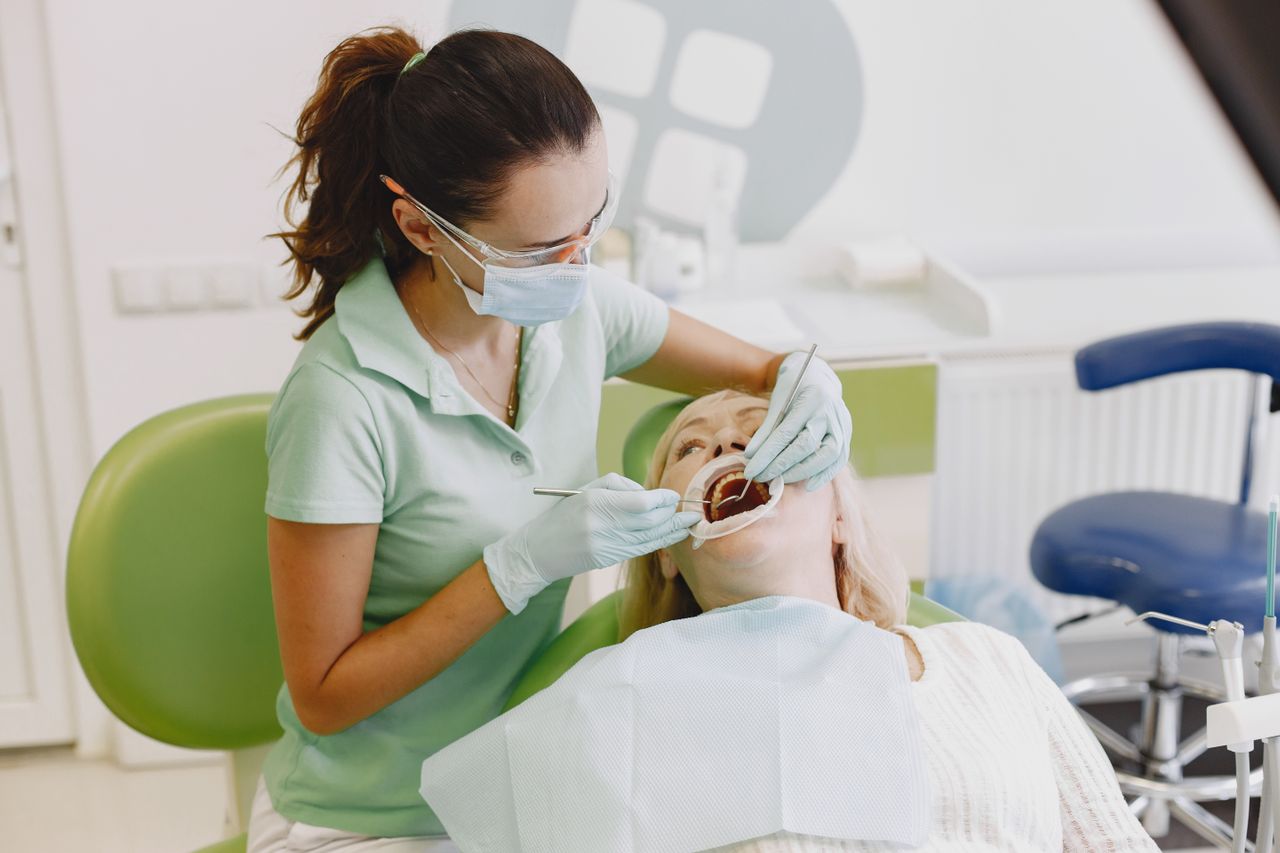
You might be here because something went wrong fast. A chipped tooth on a piece of popcorn, a child waking up in tears with face swelling, a filling that fell out right before a big meeting. One moment you were fine. The next, you are holding your jaw, wondering how long you can “tough it out” and whether you should head straight to the ER or call a Marietta dentist.
That mix of pain, worry, and not knowing what to do next is exhausting. You might be trying to stay calm for a child or a partner, or you might be quietly panicking on your own. You just want someone to tell you what is urgent, what can wait, and who can actually help you now.
Here is the short version. Many family dentists offer emergency dental services, which means you may not need to search for a new clinic or sit in an ER waiting room for hours. They can often see you the same day, help with pain, protect the tooth, and guide you on what comes next. Understanding which problems are true emergencies, what a family dentist can do right away, and how to handle things at home until you are seen can make this situation much less scary.
What counts as a dental emergency and when should you call a family dentist?
When you are in pain, everything feels like an emergency. That is understandable. Still, it helps to know which problems need urgent care and which can safely wait a day or two.
In general, you should seek urgent help from a family dentist if you notice any of these:
• Severe toothache that keeps you from sleeping or functioning
• Facial swelling, especially near the jaw or under the eye
• A tooth that has been knocked out or loosened from trauma
• A cracked or broken tooth with pain or sharp edges cutting your cheek or tongue
• Bleeding from the mouth that does not slow down after 10 to 15 minutes of pressure
• Sudden, intense sensitivity to hot or cold with lingering pain
• Signs of infection, such as a bad taste, pus, or difficulty opening your mouth
These problems are not just uncomfortable. Left untreated, they can lead to deeper infection, tooth loss, or in some cases serious health complications. The CDC highlights that oral infections can affect overall health and are more common than many people realize, especially when routine care is delayed. You can read more about the wider impact of untreated oral disease from the Centers for Disease Control and Prevention.
So where does that leave situations that hurt but are not as dramatic, such as a lost filling, a chipped tooth with no pain, or a mildly sore jaw? These still deserve attention, but they can often be seen on a “priority soon” basis rather than “drop everything, come now.” A family dentist can help you sort that out over the phone.
How does a family dentist actually help in an emergency?
When you think of an emergency, you might picture a hospital, not a dental office. Yet many family practices quietly act as the first line of urgent care for teeth and gums. Because they already know your history, they can make faster and safer decisions.
Here is how emergency help from a family dentist often looks in real life.
1. Rapid triage and pain control
You call, explain what happened, and the team asks specific questions. How long has it hurt. Is there swelling. Can you eat or drink. Based on your answers, they decide if you need to come in immediately, later the same day, or the next day. When you arrive, the first goal is usually simple. Reduce your pain and stabilize the situation so it does not get worse.
This might involve numbing the area, prescribing medication, or opening a tooth to relieve pressure from an infection. Research on acute dental pain shows that quick intervention can significantly reduce the risk of complications and improve comfort. A family dentist is trained to manage that first critical step, even if the final treatment will require more than one visit.
2. Protecting and preserving teeth
A knocked-out adult tooth, for example, is a true emergency. If you act within an hour and keep the tooth moist, there is a chance it can be saved. A family dentist can gently reinsert the tooth in the socket, place a splint, and monitor healing. Without that prompt support, the tooth is usually lost.
For a cracked or broken tooth, the dentist may place a temporary restoration, smooth sharp edges, or start a root canal if the nerve is affected. The goal is to protect the tooth structure until a permanent crown or other treatment can be completed.
3. Managing infections safely
Infections such as abscesses can spread if ignored. Symptoms might include throbbing pain, swelling, or difficulty swallowing. Evidence-based guidelines emphasize early diagnosis and treatment to prevent serious systemic spread of infection. A good overview of the clinical approach to dental emergencies is available from the National Center for Biotechnology Information.
During an emergency visit, a family dentist can drain an abscess when appropriate, prescribe antibiotics if needed, and plan the follow-up treatment that will fully address the cause of the infection. This is not just about saving a tooth. It is about protecting your overall health.
4. Caring for children and adults in the same place
When a child gets hurt on the playground or wakes up crying with tooth pain, having a familiar family dentist can make a huge difference. The team often knows your child’s temperament, medical history, and previous dental experiences. They can adapt the visit to be as calm and gentle as possible, which lowers fear for both the child and the parent.
Because of this, many families choose to rely on urgent family dental care instead of going straight to an emergency room, unless there is a more serious injury such as a broken jaw or heavy trauma to the face.
Should you try home remedies or go straight to emergency dental care?
When something happens at night or on a weekend, you might wonder whether to try home care first, wait until Monday, or seek immediate help from a family dentist or urgent clinic. A simple comparison can help you think through that choice.
| Situation | What You Can Safely Do at Home | When To See a Family Dentist Urgently |
|---|---|---|
| Severe toothache | Rinse with warm salt water. Use over-the-counter pain relief as directed. Avoid chewing on that side. | Pain keeps you from sleeping or working, or lasts longer than 1 to 2 days, or you have fever or swelling. |
| Knocked-out adult tooth | Gently rinse the tooth without scrubbing. Try to place it back in the socket, or keep it in milk or saliva. Do not let it dry out. | Immediately. This is a true emergency. Best chance of saving the tooth is within 30 to 60 minutes. |
| Chipped or broken tooth | If no pain, cover sharp edges with sugar-free gum or dental wax. Watch for changes. | If there is pain, exposed nerve, bleeding, or sharp edges cutting your mouth, seek same-day care. |
| Lost filling or crown | Keep the area clean. Temporary dental cement from a pharmacy can sometimes hold a crown in place for a short time. | If you have pain, sensitivity, or cannot chew, or if the crown will not stay in place, schedule urgent care. |
| Swelling in face or gums | Cold compress on the outside of the face. Over-the-counter pain relief if safe for you. | Swelling that spreads, difficulty breathing or swallowing, fever, or feeling generally unwell needs immediate professional care. |
This kind of comparison is not a substitute for professional advice. It is simply a way to calm the noise in your mind and decide whether you should call a family dentist now or in the morning.
What can you do right now while you arrange emergency dental help?
Even if a family dentist can see you quickly, there is often a window of time where you are still at home, in pain, trying to cope. Having a short, clear plan can give you back a sense of control.
1. Protect the area and manage pain safely
Rinse your mouth gently with warm salt water. This can help clear debris and reduce irritation. Avoid extreme temperatures in food and drinks and chew on the opposite side if possible. Use over-the-counter pain medication exactly as directed and only if it is safe with your health conditions and other medications. Do not put aspirin directly on the tooth or gums. It can burn the tissue and make things worse.
If a tooth has been knocked out, handle it by the crown, not the root. Rinse briefly with clean water if dirty. Then place it back into the socket if you can, or keep it in milk or your own saliva until you reach the dentist. Time matters here.
2. Gather key information for the family dentist
Before you call, take a moment to note a few details. When did the pain or injury start. What were you doing at the time. Have you had recent dental work on that tooth. Are you taking any medications or blood thinners. Do you have any allergies. This information helps the dentist decide how urgent your situation is and which treatments are safest for you.
If you can, take a clear photo of the affected area. Some family practices allow you to send it securely. Even if that is not possible, having it ready can help you describe what you are seeing.
3. Plan for the next 24 hours
An emergency visit can be emotionally and physically draining. If you are caring for children or an older family member, consider arranging help so you can focus on your appointment and recovery. You might want to prepare soft foods such as yogurt, soup, or mashed potatoes that are easy to eat afterward.
Also think about transportation. If you expect to receive local anesthesia or feel unwell from pain or infection, having someone drive you home can be safer and less stressful.
Moving forward with more confidence about emergency dental care
Dental emergencies rarely happen at a convenient time. They show up in the middle of busy weeks, family events, or long-awaited vacations. Even so, you are not powerless. A trusted family dentist who provides urgent care can help you move from panic to a clear plan, from uncontrolled pain to manageable healing.
By understanding what counts as an emergency, how emergency family dental care works, and what to do in those first tense minutes at home, you give yourself and your family a real advantage. You do not have to be perfect or know every detail. You only need to recognize when something is wrong and reach out for help.
Your next step is simple. If you or a loved one is in dental pain, contact a family dentist that offers same-day or urgent visits. Explain exactly what is happening, ask how quickly you should be seen, and follow their guidance. Relief and a clear path forward are much closer than they might feel right now.