






Losing a tooth changes more than your smile. You may already feel it when you chew, when you catch your reflection, or when one side of your mouth starts doing all the work. What many people do not realize at first is that a missing tooth also affects the bone underneath it. That bone needs pressure from a tooth root to stay active. Without it, your body starts to break that bone down. For many patients considering dental implants in Chinatown, Lower Manhattan, this is one reason timely treatment matters.
This is why how dental implants help prevent facial bone deterioration matters so much. An implant does more than fill a gap. It replaces the root, helps stimulate the jaw, and can slow the bone loss that often follows tooth loss. For many people, that support also helps preserve facial shape over time.
Missing Teeth Lead to Jawbone Loss and Changes in Facial Shape
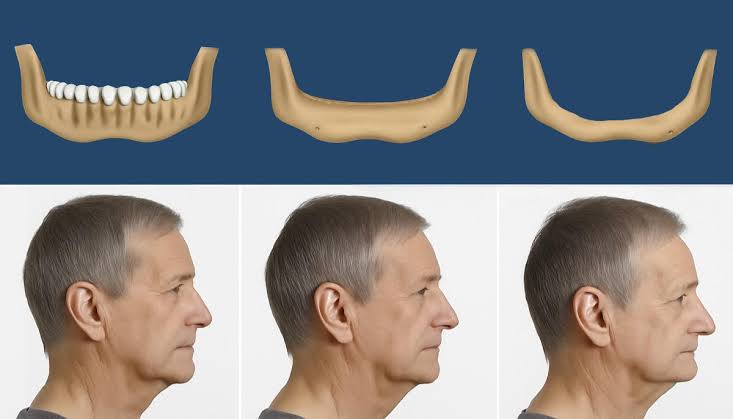
When a natural tooth is in place, the root presses into the jawbone every time you bite and chew. That pressure tells the body the bone is still needed. Once the tooth is gone, the signal fades. The bone in that area can begin to shrink, a process often called resorption.
You might notice this slowly. A denture may start to fit differently. Your cheeks can look less supported. Fine lines around the mouth may seem deeper. In some cases, the lower face begins to look shorter or more sunken. This is one reason people search for ways of preventing jawbone loss after tooth loss before the changes become harder to manage.
Bone loss is not just cosmetic. It can affect the fit of future dental work, your bite, and the health of nearby teeth. If several teeth are missing, the jaw can lose enough volume that treatment becomes more involved and more expensive later.
Dental Implants Replace the Root and Help Preserve Bone
A bridge sits above the gums. A removable denture rests on top of them. A dental implant is different because it is placed in the jawbone where the root used to be. As the area heals, the implant bonds with the bone. That gives the bone a job again.
This is the core reason implants help protect facial structure. They do not simply cover the problem. They address the source of it by restoring function below the gumline. If you have been told you need a dental implant, this is often part of the reason your dentist is recommending it, not only to replace a missing tooth, but to support the bone that holds your face and bite in place.
The FDA explains that implants are a well-established option for replacing missing teeth, though proper planning, healing, and long term care still matter. You can review the basics in this FDA guide to dental implants.
Bone Deterioration Often Gets Worse When Treatment Is Delayed
Many people wait because the gap is in the back, it does not hurt, or life is simply busy. That makes sense. Dental decisions are rarely small. Cost, time off work, anxiety about surgery, and fear of making the wrong choice all weigh on people.
The problem is that bone loss does not pause while you think it over. If enough time passes, the area may no longer have the bone volume needed for a straightforward implant. Then you may need grafting before the implant can even be placed. The University of Iowa discusses the role of preserving the socket and bone early in this overview of alveolar preservation and dental implant safety.
That does not mean it is too late if you have been missing a tooth for years. It means the treatment plan may need more steps. A general and implant dentist can evaluate the bone that remains and explain what is still possible.
Jawbone Loss Affects Oral Health Beyond Appearance
Bone loss can lead to shifting teeth, bite changes, and pressure points with removable appliances. Chewing can become less efficient, which pushes you toward softer foods and away from the foods you actually want to eat. According to MedlinePlus information on tooth disorders and tooth loss, missing teeth can affect speech, chewing, and surrounding teeth, especially when they are not replaced.
This is where dental care becomes less about cosmetics and more about stability. A missing tooth can start as one isolated problem and turn into a chain reaction. Replacing that tooth with an implant may help interrupt that pattern.
Comparing Tooth Replacement Options for Bone Support
| Option | Replaces Tooth Root | Helps Stimulate Jawbone | Effect on Nearby Teeth | Facial Support Over Time |
|---|---|---|---|---|
| Dental implant | Yes | Yes | Usually leaves nearby teeth untouched | Best support for preserving bone and facial shape |
| Dental bridge | No | No | May require reshaping adjacent teeth | Restores appearance above the gumline, not the bone below |
| Removable denture or partial | No | No | May place pressure on gums and rely on surrounding structures | Can replace visible teeth, but bone may continue to shrink |
Three Practical Steps You Can Take Right Away
Get the missing area evaluated early. Even if the tooth has been gone for a while, imaging can show how much bone remains and whether an implant, graft, or another option makes the most sense.
Ask about bone preservation, not just tooth replacement. If you are deciding between options, ask which treatment helps maintain the jawbone. That one question often changes the whole conversation.
Protect the bone you still have. Keep up with cleanings, gum care, and bite checks. Bone and gum health affect implant success, and they also affect whether future treatment stays simple or becomes more complex.
Protecting Your Smile Also Protects Your Facial Structure
If you have been living with a missing tooth, you are not overreacting by worrying about what happens next. Bone loss is real, and it can change both function and appearance over time. The good news is that dental implants can do more than replace a tooth. They can help preserve the jawbone that supports your face, your bite, and your long term oral health.
Speaking with a general and implant dentist is often the clearest next step. A careful exam can show what is happening under the surface and what kind of treatment can protect your bone before more is lost.