








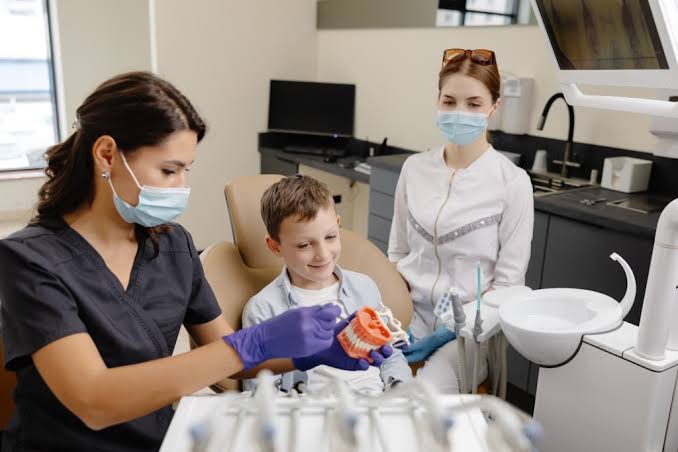
You notice it in small ways first. Your child wakes up with stronger morning breath than usual, asks for water more often, or says their mouth feels sticky. Maybe you have noticed the same changes in yourself and started wondering whether it is dehydration, mouth breathing, allergies, medication, or something harder to pin down. When saliva changes, breath often changes with it, and that can leave parents guessing. A Norfolk family dentist can help identify the cause and recommend the right next steps.
This is where a family dentist helps in a way that feels practical and reassuring. A dentist who sees both children and adults can spot patterns across ages, explain what is normal, and point out when dry mouth or bad breath may be tied to decay, gum irritation, diet, sleep habits, or a health issue that needs more attention. How Family Dentists Help Parents Understand Changes In Saliva And Breath comes down to one thing. They turn a vague worry into clear next steps.
Family dentists connect saliva changes and bad breath to everyday habits and oral health
Saliva does more work than most people realize. It washes away food particles, helps control acids, protects teeth, and keeps soft tissues comfortable. When saliva drops, the mouth gets dry, bacteria have an easier time building up, and breath can change fast. The National Institutes of Health explains that dry mouth can result from medicines, dehydration, nerve problems, and other causes, which is why guessing at home often misses the bigger picture.
Parents usually start with the obvious. More brushing, stronger mouthwash, sugar free gum, extra water. Sometimes that helps. Sometimes it does not, and that is frustrating because the concern is not only social. You may worry about cavities, pain, sleep quality, or whether something medical is being overlooked.
A family dentist looks at the full picture. Is your child breathing through their mouth at night because of congestion. Has a teen started orthodontic treatment and is now struggling to clean around brackets. Is a parent taking a medication that reduces saliva flow. Is there plaque along the gumline, a coated tongue, or early decay between teeth. Breath changes often have a cause you can see once someone knows where to look.
Family dental care for saliva and breath concerns also matters because age changes the likely causes. In younger children, thumb sucking, enlarged tonsils, or inconsistent brushing may play a role. In teens, diet, sports drinks, and dry mouth from stress or medication can show up. In adults, gum disease, restorations that trap food, and chronic dry mouth become more common. One office that treats the whole household can explain these patterns in plain language, which helps parents stop blaming themselves or their child.
Changes in saliva and breath can point to issues that need early attention
Bad breath is often linked to bacteria in the mouth, especially on the tongue, between teeth, and around irritated gums. MedlinePlus notes that bad breath can also be related to poor oral hygiene, dry mouth, infections, smoking, and certain foods. That range matters. A simple habit issue needs one solution. Ongoing dry mouth with rising cavities needs another.
What makes this stressful for parents is the uncertainty. If your child has bad breath after garlic pizza, that is easy to explain. If the smell sticks around for weeks, even after brushing, it starts to feel different. If a mouth seems dry all the time, lips crack easily, or swallowing looks uncomfortable, the concern gets heavier because you can see your child is not just dealing with a minor annoyance.
A family dentist can often tell whether the problem is mostly hygiene related, saliva related, or part of a larger health pattern. That does not replace medical care when it is needed. It gives you a clearer starting point and can help you decide whether to involve a pediatrician, primary care doctor, or ear, nose, and throat specialist.
Home care and professional dental evaluation work differently
| Approach | What It Can Help With | Limits |
|---|---|---|
| More water and better brushing | Mild dehydration, food odor, inconsistent hygiene | Does not identify decay, gum disease, mouth breathing, or medication related dry mouth |
| Tongue cleaning and flossing | Bacteria buildup on the tongue and between teeth | May not help if saliva flow is low or if there is an infection |
| Sugar free gum or lozenges | Temporary saliva stimulation in some people | Short term relief only, not right for every child |
| Professional family dentistry visit | Finds plaque traps, gum problems, decay, dry mouth signs, and bite or airway clues | May still require referral if a medical condition is involved |
This is why parents understanding saliva and breath changes through family dentistry tends to be more accurate than trying one product after another. The goal is not to mask odor. The goal is to understand why the mouth has changed.
Research also keeps moving. A recent University of Washington report describes researchers testing oral bacteria transplants as a possible treatment for bad breath. That does not change what families should do today, but it shows how strongly breath is tied to the balance of bacteria in the mouth. Dentists already work from that same basic idea when they focus on plaque control, saliva support, gum health, and tongue cleaning.
Clear steps help families respond without panic
Track the pattern. Write down when the dryness or breath changes show up, what your child ate, whether they slept with an open mouth, and any medications or allergy symptoms. Patterns make dental visits more useful because they turn vague memories into real clues.
Check the routine at home. Make sure brushing lasts two minutes, flossing happens daily where age appropriate, and the tongue is cleaned gently. Offer water regularly and cut back on sugary drinks that can worsen dryness and feed bacteria.
Schedule a family dental visit when the change lasts. If dry mouth, bad breath, mouth discomfort, or a rise in cavities keeps showing up, have it evaluated. A dentist can check for decay, gum inflammation, mouth breathing signs, plaque buildup, and other causes that are hard to see at home.
Parents do not have to solve saliva and breath changes alone
When a child’s breath changes or their mouth seems dry all the time, it can feel like one more thing you are supposed to figure out on your own. You do not have to. A family dentist can sort through the likely causes, explain what is happening in simple terms, and help you protect your child’s comfort and oral health before a small problem turns into a bigger one.
If these changes have been lingering, schedule a visit for your family and get a clearer answer.


