





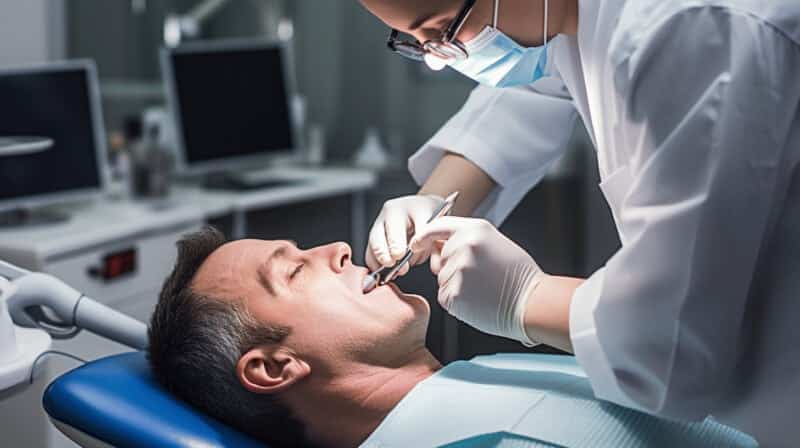
Emergency dental visits often strike without warning. A cracked tooth at dinner. A swollen jaw at midnight. A child in pain on a school morning. You cannot plan for those moments, yet you can lower the chance they happen. Preventive dentistry gives you that control. It focuses on simple habits and regular checks that stop small problems from turning into emergencies. A Northwest Edmonton dentist sees the same pattern again and again. Missed cleanings. Delayed X rays. Ignored bleeding gums. These lead to sudden infections, extractions, or root canals. You deserve calm, steady care instead of rushed treatment in crisis. This blog explains how routine exams, cleanings, and home care cut your risk of emergency visits. It also shows how prevention saves money, protects your time, and keeps your mouth strong. You can act today and avoid painful surprises later.
How plaque turns into painful emergencies
Most dental emergencies start small. Plaque sits on teeth. Bacteria in plaque eat sugar and release acid. That acid wears down enamel. Then tiny holes form. These small cavities often cause no pain at first. Yet they spread.
Next the decay reaches the softer layer inside the tooth. At that point cold or sweet food may sting. If you still do not treat it, bacteria reach the nerve. Then you may feel sharp pain, swelling, or a deep ache that keeps you awake. That is when many people seek urgent care.
Preventive visits remove plaque and catch decay early. That stops this chain before it reaches the nerve. It also reduces the need for root canals, extractions, and strong pain medicine.
Routine care that blocks emergencies
You lower your risk of urgent treatment when you follow three steady steps.
- Brush twice each day with fluoride toothpaste
- Clean between teeth once each day with floss or another tool
- See a dentist for a check and cleaning on a regular schedule
During a check, the dentist looks for decay, cracked fillings, gum infection, and early signs of oral cancer. X-rays show what the eye cannot see. Cleanings remove plaque and tartar that you cannot reach at home.
The Centers for Disease Control and Prevention explains that fluoride helps rebuild weak spots in enamel and lowers the risk of cavities in both children and adults.
Common emergencies that prevention can stop
Most urgent dental visits fall into three groups.
- Toothache from deep decay or cracked teeth
- Swelling from gum or tooth infection
- Broken or lost fillings and crowns
Regular exams find small cracks and worn fillings before they break. Cleanings and home care reduce gum infection and bone loss. Fluoride and sealants strengthen teeth so they can handle daily chewing without chipping as easily.
The National Institute of Dental and Craniofacial Research notes that untreated cavities are common in both children and adults. Untreated decay raises the chance of pain and infection.
Preventive care vs emergency care
You can think of preventive care as steady, planned steps. Emergency care is rushed and often intense. The table below shows key differences.
| Type of care | Typical visit length | Common services | Usual cost range | Impact on your day |
|---|---|---|---|---|
| Preventive visit | 30 to 60 minutes | Exam, cleaning, X-rays, fluoride, sealants | Low to medium | Planned time off, less stress |
| Emergency visit | 60 minutes or more | Root canal, extraction, deep cleaning, medicine | Medium to high | Missed work or school, urgent stress |
These numbers vary by clinic and insurance. Yet the pattern stays the same. Preventive visits are shorter, calmer, and often cost less than urgent care for the same tooth.
How preventive dentistry protects children
Children often struggle to explain pain. A small cavity can grow fast in a child’s tooth. By the time your child speaks up, decay may be deep. That can lead to night pain, missed school, and fear of the dentist.
Regular checkups from the first tooth help your child stay ahead of problems. Sealants on back teeth block food from sitting in the grooves. Fluoride hardens enamel. Simple coaching teaches your child how to brush and floss.
You also protect your child’s adult teeth. Infections in baby teeth can spread and harm the developing permanent teeth under them. Early care keeps the mouth ready for braces and growth.
How preventive dentistry protects adults and seniors
Adults face different risks. Work stress, smoking, dry mouth from medicine, and teeth grinding all wear down teeth and gums. Seniors face even more risk when grip strength or memory changes. That can make brushing and flossing harder.
Regular visits give you support. The dentist can suggest simple tools that fit your hands. A night guard can protect teeth from grinding. Checks for oral cancer and gum disease become more important with age.
Steady preventive care also helps control other health problems. Poor oral health is linked to diabetes control issues and heart disease. When you keep infection out of your mouth, you reduce strain on your whole body.
Saving money, time, and energy
Emergency care often hits at the worst time. You may miss work. Your child may miss a test. You may sit in a clinic while exhausted and in pain. Costs also add up fast when treatment is complex.
Preventive visits spread smaller costs across the year. They protect crowns, fillings, and implants that you already paid for. They also help you plan. You can schedule needed work early before it turns into a crisis.
On top of money, you save energy. You avoid the emotional strain that comes with sudden pain, fear, and worry. Your family gains a sense of safety. You know someone is watching for problems before they grow.
Simple steps you can take today
You can lower your risk of emergency dental visits with three clear choices.
- Book an exam and cleaning if it has been more than one year
- Use fluoride toothpaste and brush for two minutes twice each day
- Floss once each day, even if you start with only a few teeth
You can also limit sugary snacks, drink water, and wear a mouthguard for sports. Each step cuts risk. Together they build strong teeth and calm days.
Emergencies cannot be removed fully. Yet they do not need to rule your life. Steady preventive care gives you control, protects your family, and keeps your smile ready for every moment.


