


Table of Contents
- Why Hardscaping Matters
- Getting Started With Hardscaping: What You Need to Know
- Inspiring Hardscape Features for Modern Yards
- Blending Hardscaping and Softscaping
- DIY vs. Professional Hardscape Installations
- Budget Tips for Hardscape Projects
- Sustainable Hardscaping Solutions
- Maintenance Tips for Lasting Results
- Conclusion: Transforming Your Outdoor Space with Hardscaping
Why Hardscaping Matters
Hardscaping represents the backbone of functional and visually appealing outdoor living spaces. While lush gardens bring vibrancy, introducing well-placed elements such as patios, walkways, and walls allows you to define spaces for relaxing, entertaining, and extending your home’s livability. Enhanced curb appeal and practicality often increase property value, making hardscaping a wise investment for homeowners. A thoughtfully planned hardscape and landscape design can drastically change the dynamic of your outdoor environment—guiding movement, managing slopes, and even providing additional living and storage space.
Unlike transient flower beds, hardscaping features stand the test of time, offering durable solutions to everyday challenges such as erosion, privacy, and accessibility. Integrating features like fire pits or water elements not only introduces year-round interest but also transforms your backyard into a true extension of your home. Whether you aim to create a secluded retreat or a spacious gathering area, blending hardscape with softscape ensures a balanced and inviting outdoor space.
Getting Started With Hardscaping: What You Need to Know
Planning your hardscape project starts with analyzing the unique characteristics of your yard. Consider sun exposure, soil type, drainage concerns, and climate factors that could impact material choices or plant selection. Start with a simple sketch of your property, noting key dimensions and obstacle placements, to clarify which features will make the most significant impact.
Next, prioritize functionality—think about how you want to use your space. Do you envision outdoor dining under a pergola, or prefer cozy evenings by a fire pit? Research versatile materials such as pavers, bricks, or natural stone, keeping maintenance and long-term durability in mind. Plan for how new installations will integrate with existing landscaping to achieve seamless flow and visual unity.
For homeowners considering a more guided process or needing expert advice on project management or design, working with an agency specializing in outdoor living spaces can streamline your project from concept to completion. Professionals can help evaluate your ideas, navigate permits, and deliver high-quality craftsmanship, especially for complex or large-scale builds.
Inspiring Hardscape Features for Modern Yards
- Patios and Decks: Modern patios use multi-levels, mixed materials, and built-in seating or planters. They serve as the heart of outdoor space.
- Retaining Walls: Functional and decorative, these not only prevent erosion but can double as garden beds, extra seating, or even support slopes in hilly yards.
- Water Features: The calming sound of water from fountains, bubbling rocks, or small ponds brings tranquility and masks urban noise.
- Outdoor Kitchens: Equipped with grills, sinks, refrigerators, and prep space, they provide everything needed for alfresco dining and gatherings.
- Pathways: Meandering stone or gravel walkways define routes, connect different zones, and welcome guests with style.
- Fire Pits: These invite year-round enjoyment and are perfect for socializing or unwinding at the end of the day.
Blending Hardscaping and Softscaping
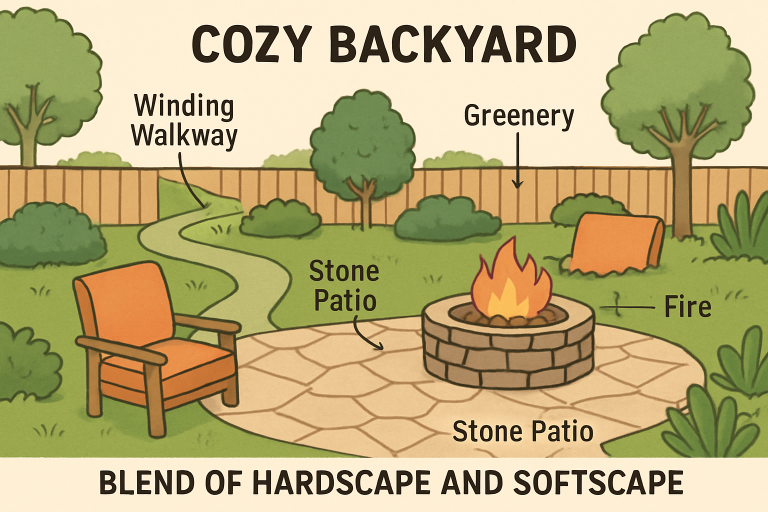
The true art of landscape design lies in harmonizing solid structures with natural elements. Lining a stone walkway with lavender or ornamental grasses, letting climbing vines spill over retaining walls, or accenting a patio with container gardens marries structure with softness. Contrasting textures and colors between stone and foliage add depth and movement to your landscape. Strive for a balance where each element complements and elevates the other without competing for attention.
Budget Tips for Hardscape Projects
- Start small and build incrementally to avoid overwhelming costs and project fatigue.
- Source materials locally whenever possible to reduce transportation expenses and environmental impact.
- Get creative by blending materials; for instance, use gravel between paver stones for a stylish yet budget-friendly look.
- Focus on upgrading one area at a time to spread costs over multiple seasons without sacrificing quality.
Sustainable Hardscaping Solutions
Environmentally conscious hardscape practices help lower maintenance needs and conserve resources. Install permeable pavers or gravel to allow rainfall to penetrate, protecting against runoff and minimizing standing water. Opt for recycled or salvaged materials such as reclaimed bricks and stones to reduce your carbon footprint. Trellises, pergolas, and shade structures made from renewable woods not only add character but also lower surrounding temperatures. Combine hardscape elements with drought-tolerant plantings to create resilient and eco-friendly landscapes. According to NAR, adopting sustainable landscaping practices not only benefits the environment but can also enhance the long-term beauty and functionality of your outdoor spaces.
Maintenance Tips for Lasting Results
Keeping your hardscape features in top condition is key to their longevity. Sweep patios and pathways regularly to avoid stains and slipping hazards. Inspect annually for cracks or settling, repairing promptly to prevent further damage. Reseal surfaces every few years, especially in climates with harsh winters. Trim bordering plants and clear debris to prevent overgrowth and potential structural intrusion. For winter care, select sand or eco-friendly ice melt options rather than traditional salt to protect both masonry and nearby plant life.
Conclusion: Transforming Your Outdoor Space with Hardscaping
Hardscaping is more than just adding stone or concrete to your yard—it’s about creating functional, durable, and visually appealing outdoor spaces that enhance your lifestyle and property value. By thoughtfully combining patios, walkways, retaining walls, water features, and other elements with lush plantings, homeowners can achieve a harmonious balance between structure and nature. Planning carefully, budgeting wisely, considering sustainability, and maintaining your hardscape ensures lasting beauty and usability. With the right approach, your outdoor environment can become a versatile extension of your home, offering relaxation, entertainment, and year-round enjoyment for you and your family.


