Key Takeaways
- Modern pain management techniques are reshaping how acute pain is treated for various conditions.
- Patient-centered approaches, multimodal strategies, and clinical research pave the way for safer and more effective pain solutions.
- Awareness of new therapies’ potential risks and benefits is crucial for both healthcare providers and patients.
- Collaboration between research institutions, clinicians, and regulatory bodies promotes continuous improvement in pain management protocols.
- Recent clinical trials highlight the ongoing commitment to addressing the opioid crisis while maintaining high standards for patient care.
- Education and transparent communication empower patients to make informed choices about their pain treatment options.
Acute pain, whether from surgery, injury, or sudden illness, can significantly impact recovery, mobility, and overall quality of life. Traditionally managed with medications like opioids and nonsteroidal anti-inflammatory drugs (NSAIDs), treatment approaches have evolved in response to growing concerns about safety, effectiveness, and long-term outcomes. Today, advances in pharmacology, nerve-block techniques, and non-pharmacological therapies are reshaping how clinicians address acute pain, offering more personalized and balanced solutions. These innovations aim to provide faster relief, reduce complications, improve patient satisfaction, and support smoother recoveries. By exploring emerging strategies and their real-world impact, patients and providers can better understand the future of effective pain management.
What Is Acute Pain? A Quick Overview
Acute pain is an immediate and short-term response to injury, surgery, or a medical procedure. It serves as the body’s internal alarm system, spurring protective behaviors and signaling that something is wrong. For most people, acute pain fades as the underlying cause heals, making effective intervention critical for comfort and recovery. To improve outcomes, healthcare professionals continually explore new solutions and review the latest clinical studies for acute pain, which evaluate both novel treatments and established therapies.
Understanding the nuances of acute pain is essential for both patients and providers. It frequently impacts quality of life and recovery, especially after surgical procedures or significant injuries. With advances in research and new analytic tools, medical teams have better information to support decisions, fine-tune care, and closely monitor patient progress. For anyone experiencing pain, staying informed about evolving pain management options is an essential aspect of self-advocacy.
How Have Traditional Acute Pain Treatments Worked?
For decades, conventional acute pain relief relied heavily on opioid medications. While effective, opioids also pose significant risks for dependency, overdose, and side effects. Basic interventions—like acetaminophen or nonsteroidal anti-inflammatory drugs (NSAIDs), as well as rest, elevation, and cold compresses—have provided relief for mild to moderate pain. Still, limitations arise when patients require more comprehensive or sustained care. As awareness of long-term opioid consequences has grown, so too has the urgency to balance pain relief and patient safety.
Prescription practices in the past often emphasized rapid symptom management without fully addressing the risk of addiction. This one-size-fits-all mentality has been replaced with a more nuanced approach, targeting each patient’s unique needs, risk profiles, and medical histories. Medical boards and national health organizations now recommend incorporating other forms of therapy and monitoring to create a safer and more effective recovery experience.
Shifting to Modern Strategies in Pain Management
The field of pain management is rapidly shifting towards patient-centered and innovative approaches. New techniques focus on alleviating pain, minimizing side effects, and enhancing function. Non-opioid medications, targeted nerve blocks, cognitive behavioral therapy, and even virtual reality programs now appear in comprehensive pain protocols. Individualizing care plans—considering physical and psychological needs—is at the core of these advances.
Clinical research confirms that combining interventions often produces better outcomes than any single method alone. This evolution is primarily driven by ongoing scientific research published by mainstream sources and government-led studies designed to move promising treatments from theory into standard practice. By staying current on breakthroughs, practitioners can adapt quickly to bring patients the safest, most effective therapies.
The Rise of Multimodal Pain Management
- Integrating pharmacologic and non-pharmacologic therapies marks a significant trend in acute pain management, known as multimodal pain management.
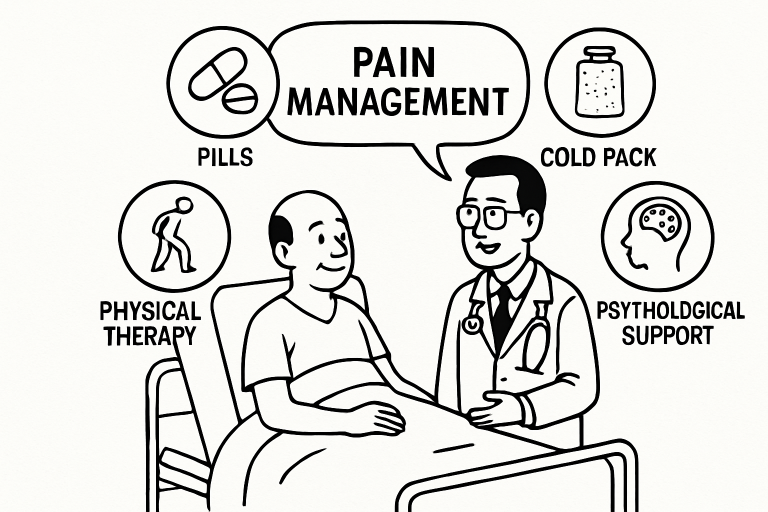
- Physical therapies (ice, massage, movement), psychological support, and carefully chosen medications are often combined to maximize relief.
- Collaborations between pain specialists, surgeons, and primary care providers help design individualized care plans based on evidence and the particularities of each patient’s case.
- Emerging data indicate that multimodal strategies not only reduce dependence on opioids but also speed up overall recovery, decrease complication rates, and support better long-term function.
Why Clinical Trials Matter in Acute Pain Research
Clinical trials are critical to advancing our understanding of pain and evaluating the effectiveness of new interventions. Recent investments have launched extensive studies to test non-opioid treatments, optimize current regimens, and expand the scientific foundation for pain care. These rigorous trials measure pain relief and track patient-reported outcomes, recovery time, potential side effects, and overall satisfaction.
Acute Pain Relief Amidst the Opioid Crisis
As the opioid crisis continues to affect families and communities nationwide, health systems are renewing their focus on responsible prescribing and alternative therapies. Hospitals have adopted stricter prescribing practices, implemented mandatory pain management education for staff, and integrated non-opioid protocols into their recovery pathways. These steps are essential to prevent new cases of opioid use disorder and foster safer recovery for all patients. Some hospitals have recorded dramatic reductions in opioid prescriptions after changing their approach to pain management—including more robust patient education and the use of evidence-based alternatives.
Empowering Patients in Their Recovery
Involvement of patients in care decisions is a cornerstone of modern pain management. An open dialogue between clinicians and patients builds trust and helps set realistic expectations for pain relief and recovery. Many patients feel more empowered and satisfied when they have an active voice in selecting the therapies that align with their goals, values, and daily routines. Educational campaigns emphasize that patients should inform their care teams about any concerns, medication histories, or previous adverse reactions. The opportunity to tailor treatments in real-time increases the likelihood of positive outcomes and can reduce anxiety or uncertainty about the recovery process.
What Comes Next for Acute Pain Management?
The future of acute pain management is bright, with promising advances. Non-pharmacologic options such as wearable pain devices, biofeedback, and digital health apps are likely to become more widely available and integrated into mainstream care. Ongoing research, bolstered by data from large, well-designed studies, will inform best practices and keep providers at the cutting edge of patient-centered pain management. Collaborative efforts among patients, clinicians, and policymakers will accelerate the translation of research into everyday treatment plans.
Awareness efforts launched by national public health agencies and medical boards will continue emphasizing the importance of safe prescribing, patient education, and informed consent. As innovations are validated through rigorous peer-reviewed research, treatment guidelines will evolve to reflect the latest breakthroughs—ultimately raising the standard of care for everyone affected by acute pain.