








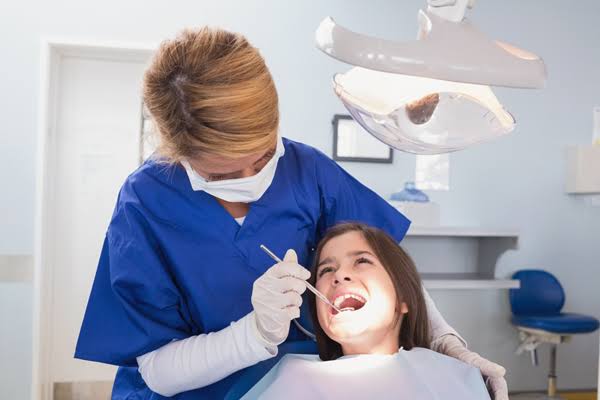
You brush your child’s teeth, try to limit sugar, and still wonder if you’re doing enough. That feeling is common. Kids grow fast, habits change fast, and dental problems can sneak up quietly until a small issue turns into pain, missed school, or a hard visit in the chair. A good start with a pediatric dentist does more than clean teeth, especially for families seeking pediatric dental care near Washington Square Park in NYC. It helps your child build comfort, routine, and protection that can last for years.
5 ways pediatric dentistry promotes lifelong healthy smiles comes down to prevention, early guidance, and care that fits the way children actually behave and develop. Pediatric dental care is not just a smaller version of adult dentistry. It is built around baby teeth, changing bites, growing jaws, and the very real fact that children need a different kind of support to feel safe and cooperate.
Pediatric dental care catches small problems before they grow
A cavity in a baby tooth can seem easy to dismiss. After all, that tooth will fall out. The trouble is that untreated decay can cause pain, infection, trouble eating, and even problems with speech and sleep. Baby teeth also hold space for adult teeth. When they are lost too early, crowding and alignment issues often follow.
Regular visits with a children’s dental specialist help spot weak enamel, early decay, bite concerns, and brushing problems before they become expensive or upsetting. That early attention matters because children do not always say, “My tooth hurts.” They stop chewing on one side, get cranky at bedtime, or avoid cold drinks. A trained eye can catch what a busy parent may miss.
The Centers for Disease Control and Prevention offers practical oral health tips for children that support what happens in the dental office. Daily care at home works best when it is paired with regular professional checkups.
Early positive visits reduce fear and build trust with the dentist
Many adults carry dental anxiety that started in childhood. One painful visit, one rushed appointment, or one experience that felt scary can stick for years. Children learn fast from tone, routine, and repetition. When dental visits begin early and stay calm, the office becomes familiar instead of threatening.
This is one of the strongest long term benefits of pediatric dentistry. A child who learns that cleanings, exams, and simple treatments are normal is more likely to keep up with dental care as a teen and adult. That means fewer delayed visits, fewer emergencies, and less fear around treatment.
A pediatric dental team also knows how to work with short attention spans, sensory needs, and big emotions. If your child cries, refuses to open, or gets nervous in new places, you are not alone. That behavior is common, and care designed for children makes a real difference.
Preventive treatments protect teeth during the cavity prone years
Kids are still learning how to brush well, and molars have deep grooves that trap food easily. Even in homes with solid routines, cavities happen. Preventive care lowers that risk. Fluoride helps strengthen enamel, and sealants add a protective layer over the chewing surfaces where decay often starts.
The National Institute of Dental and Craniofacial Research explains how dental sealants help prevent cavities, especially on back teeth. For many children, this simple treatment can protect the areas they miss most often with a toothbrush.
This is where children’s dental care becomes practical, not just preventive in theory. Instead of waiting for a filling, you reduce the chance that a cavity forms at all. That saves money, time, and stress for both you and your child.
Pediatric dentistry supports healthy habits at home
Most parents have had the nightly struggle. A tired child clamps their mouth shut, chews the toothbrush, or insists they already brushed. Add sports drinks, snack pouches, thumb sucking, mouth breathing, or a habit of falling asleep with milk, and home care gets complicated fast.
A pediatric dentist helps you sort through those details without shame. You get advice that matches your child’s age, risk level, and routine. That might mean changing brushing technique, switching toothpaste amounts, timing snacks differently, or watching how the bite develops. MedlinePlus provides a helpful overview of child dental health, including basics that support healthy daily habits.
Good habits are easier to keep when they make sense to your real life. That is where a specialist in kids’ dental care often helps families the most. The goal is not perfection. The goal is a routine your child can grow into.
Monitoring growth helps protect speech, bite, and adult teeth
Teeth do not develop in isolation. Jaw growth, spacing, bite patterns, and oral habits all affect how a child eats, speaks, and later manages orthodontic treatment. Crowding, crossbites, grinding, and delayed eruption can all show up early. Catching them early does not always mean immediate treatment, but it does mean fewer surprises.
If a child loses a baby tooth too soon from decay or injury, space can close before the adult tooth is ready. If thumb sucking continues for too long, the bite can shift. If a child breathes mostly through the mouth, dry tissues and decay risk may rise. A pediatric dentist watches these patterns over time, which is hard to do from one urgent visit to the next.
| Approach | Short Term Result | Long Term Effect |
|---|---|---|
| Only going in for pain or visible problems | Problem gets treated after it worsens | Higher costs, more anxiety, more invasive care |
| Routine pediatric dental visits with prevention | Early detection, cleanings, sealants, habit coaching | Lower cavity risk, better comfort, healthier adult habits |
| Home brushing without professional guidance | Some plaque removal, uneven technique | Missed trouble spots and preventable decay |
Small steps now shape a lifetime of oral health
Book routine visits instead of waiting for pain. Preventive appointments are easier on children and easier on your budget. They give your child a chance to build trust before treatment is ever needed.
Make brushing and flossing consistent, not perfect. Two minutes twice a day matters more than occasional deep efforts. Supervise longer than you think you need to, especially with younger children who still lack hand control.
Ask about sealants, fluoride, and bite development. These are simple conversations that can help you decide what your child needs now and what should be watched over time.
A healthy smile usually starts with small, steady choices, and pediatric dentistry helps those choices stick. If you have been wondering whether early dental care really matters, it does. The right support now can mean fewer problems, less fear, and stronger habits for years ahead.

