




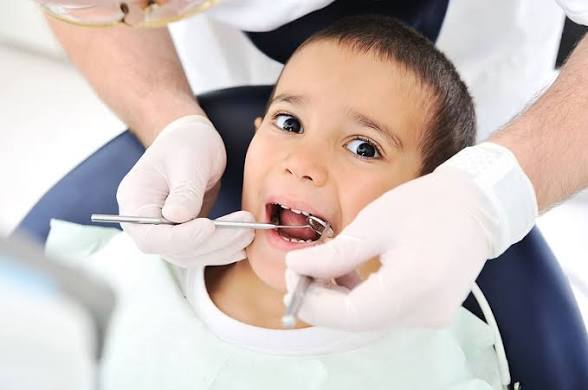
Dental visits can stir fear in young children. The bright lights, new tools, and unfamiliar faces can feel harsh. You want to protect your child from pain and shame. You also want a place that treats your child with respect. Family dentistry helps you do that. A steady dentist, kind staff, and simple routines can reduce fear before it grows. Your child learns that the chair is safe. Your child learns that questions are welcome. Your child learns that teeth care is normal. This calm start can prevent years of anxiety. It can also protect your child’s health. West Newton dental teams that focus on families use clear words, gentle steps, and steady support. They guide you and your child through each visit. They replace fear with trust.
Why Children Fear The Dentist
You cannot fix dental anxiety until you see what feeds it. Young children fear the dentist for three main reasons.
- They fear pain
- They fear the unknown
- They sense your stress
Sharp sounds and bright lights can scare a child. Strange tools can feel like a threat. A rushed staff visit can deepen that fear. When a child has one bad visit, the next visit feels worse. The mind links the chair with danger. That fear can last into adult life.
Family dentistry breaks that link. It replaces confusion with clear steps. It replaces cold rooms with steady human contact. It replaces shame with respect.
How Family Dentistry Builds Trust Early
Trust is the core of every calm visit. Family dentists build that trust in simple ways that a child can understand.
- Same team each visit. Your child sees the same faces. That routine lowers fear.
- Simple words. Staff use short sentences and avoid harsh terms.
- Slow first visits. The first visit may focus on a “look and count” exam only.
These steps match what child experts teach about fear and cues. The National Institute of Dental and Craniofacial Research explains that early gentle visits help prevent dental disease and reduce fear. You can read more at this NIDCR guide on children’s oral health.
Key Ways Family Dentistry Reduces Anxiety
Family dentists use three main tools to calm children.
1. Child Centered Communication
- They describe each step before they start.
- They show the tool and let the child touch it.
- They ask for the child’s words and listen.
This helps the child feel some control. Fear shrinks when a child knows what will happen and when it will end.
2. Gentle Exposure Over Time
Short, easy visits can start as soon as the first tooth comes in. Each visit adds one more step. First a quick look. Next time a soft cleaning. Later a fluoride touch. The child learns that each visit ends without harm. That memory is powerful.
3. Respect For Feelings
Family dentists do not mock tears or fear. They name the feeling and then guide the child through it. That respect can stop shame. Shame feeds anxiety. Respect weakens it.
Comparing Family Dentistry And Unfamiliar Clinics
The setting you choose matters. The table below shows common differences that affect your child’s anxiety.
| Feature | Family Dentistry | Unfamiliar Clinic |
|---|---|---|
| Staff familiarity | Same team each visit | Rotating staff and new faces |
| Visit length for young children | Short, flexible, child paced | Set schedule with little pause |
| Communication style | Simple words and clear steps | Fast, technical talk |
| Parent involvement | Parent stays and supports | Parent may wait apart |
| Focus of care | Prevention and comfort | Problem fixing first |
| Response to fear | Names fear and slows down | Pushes through to finish |
These patterns shape how your child feels. Repeated calm visits in a family setting can turn fear into routine care.
Your Role As A Parent Or Caregiver
You are not a bystander. Your words and actions can raise or lower your child’s fear.
- Watch your language. Avoid threats like “If you do not brush, the dentist will hurt your teeth.”
- Share honest but calm facts. Say, “The dentist will count your teeth and clean them.”
- Practice at home. Use a small mirror and let your child “play dentist” with a toy.
The Centers for Disease Control and Prevention explain that early brushing and regular visits protect both teeth and long-term health.
Preventing Long Term Dental Anxiety
Childhood dental fear does not need to last. You can break that chain with three steady steps.
- Start dental visits by age one or when the first tooth appears.
- Keep visits regular, even when there is no pain.
- Choose a family dentist who respects your child’s pace.
These simple moves protect more than teeth. They protect sleep, eating, speech, and self-respect. They also lower the risk that your child will avoid needed care as an adult.
Choosing A Family Dentist For Your Child
When you call or visit an office, ask three questions.
- How do you handle a scared child
- Can I stay with my child during the visit
- How do you plan first visits for toddlers
Listen for clear, calm answers. Look for staff who speak to your child, not only to you. Notice if they explain tools before using them. These small signs show how they will treat your child when fear rises.
Your child deserves a safe path to a healthy mouth. Family dentistry gives that path. Early trust, gentle routines, and your steady support can prevent dental anxiety before it takes root.