




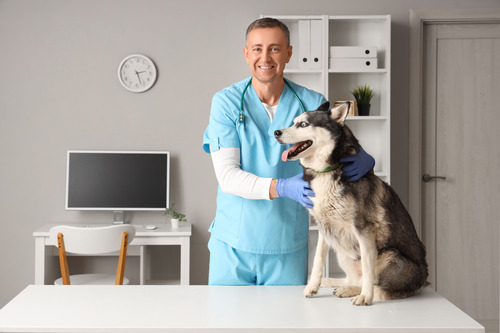
Your dog cannot tell you when something is very wrong. You have to read the signs and act fast. Some problems need an immediate animal hospital visit. Waiting even a short time can cause lasting harm or death. You might wonder when to rush to urgent care and when to watch and wait. This blog gives you three clear warning signs that your dog needs help right away. You will see what to look for, what it might mean, and what to do next. You will also learn when problems may require pet surgery in Olympia, WA. Quick choices in scary moments can feel hard. Yet you can prepare now. You can know the signs that should never be ignored. You can protect your dog from quiet suffering and sudden crisis.
Sign 1: Trouble Breathing or Collapse
Breathing problems are an emergency. You should not wait to see if your dog gets better. Trouble breathing can mean heart failure, choking, allergic reaction, or lung disease. These can turn deadly in minutes.
Watch for three clear signs.
- Fast, shallow, or noisy breaths
- Blue or gray gums or tongue
- Sudden collapse or fainting
If you see any of these, you should go to an animal hospital right away. Do not give food or water. Do not try home fixes. You can call the hospital while you drive and tell them your dog is in distress. Staff can prepare oxygen and support before you arrive.
Sign 2: Severe Pain, Injury, or Bleeding
Dogs often hide pain. When you see clear pain, the problem is usually serious. Injury and bleeding can mean broken bones, deep cuts, or internal damage. These can need urgent care or surgery.
Look for three warning signs.
- Crying out, growling, or snapping when touched
- Limping, not using a leg, or refusing to stand
- Heavy bleeding, gaping wounds, or bone showing
You should never wait with heavy bleeding. You can press a clean cloth on the wound. You can keep pressure while someone else drives. If the cloth soaks through, you can place a new cloth on top. You should not remove the first cloth. That can restart bleeding.
Head injuries, car strikes, or falls from height always need urgent care. Even if your dog seems alert, there can be hidden bleeding inside the chest or belly. You cannot see this from the outside. Only an exam and imaging can rule it out.
The U.S. Food and Drug Administration guide on when to call a veterinarian reminds you that sudden trauma and severe pain are always emergencies.
Sign 3: Repeated Vomiting, Bloating, or Not Passing Stool
Stomach and gut problems can seem minor at first. Yet some signs point to a blocked gut or twisted stomach. These can kill a dog in hours without treatment.
Pay close attention to three signs.
- Vomiting many times in a day or vomiting with blood
- Hard, swollen belly that feels tight to the touch
- Straining to pass stool or urine with no result
A swollen tight belly with restlessness and drooling can mean bloat. Bloat can twist the stomach. Blood flow then stops. This needs surgery right away. Waiting at home can cost your dog its life.
Repeated vomiting with weakness can mean poisoning, gut blockage, or pancreatitis. You should bring a list of anything your dog ate. That includes trash, plants, human medicine, or chemicals.
Quick Guide: When You Should Go Right Now
You can use this table as a fast guide. If you see symptoms in the right column, you should go to an animal hospital at once.
| Situation | Emergency Signs | Action |
|---|---|---|
| Breathing | Fast or hard breathing. Blue gums. Collapse. | Go to the nearest animal hospital immediately. |
| Injury or pain | Heavy bleeding. Bone showing. Hit by car. | Apply pressure if bleeding. Transport right away. |
| Stomach and gut | Repeated vomiting. Swollen hard belly. No stool. | Do not give food or water. Seek urgent care. |
| Behavior change | Sudden confusion, seizures, or collapse. | Move your dog away from hazards. Go now. |
| Poison risk | Ate human medicine, cleaner, or toxic plant. | Call a vet or poison service. Then head in. |
How To Prepare Before An Emergency
You cannot predict every crisis. Yet you can prepare and lower risk. Three simple steps help.
- Save the number and address of the nearest animal hospital in your phone and on your fridge
- Keep records of your dog’s vaccines, medicines, and past problems in one folder
- Plan who can watch children or other pets if you must leave fast
You can also keep a basic pet first aid kit. Include clean gauze, tape, a towel, and a muzzle or soft cloth. A hurting dog can bite from fear. A gentle muzzle keeps you and others safe. You should never use it if your dog has trouble breathing or is vomiting.
Trust Your Instincts And Act Fast
You know your dog better than anyone. If something feels wrong, you should not ignore that feeling. Sudden breathing change, clear pain, or stomach trouble with swelling are red line signs. These need an immediate animal hospital visit.
When in doubt, you can call a veterinarian or emergency clinic and describe what you see. Staff can tell you if you should come at once. Quick action can mean the difference between a short hospital stay and a loss you never forget.