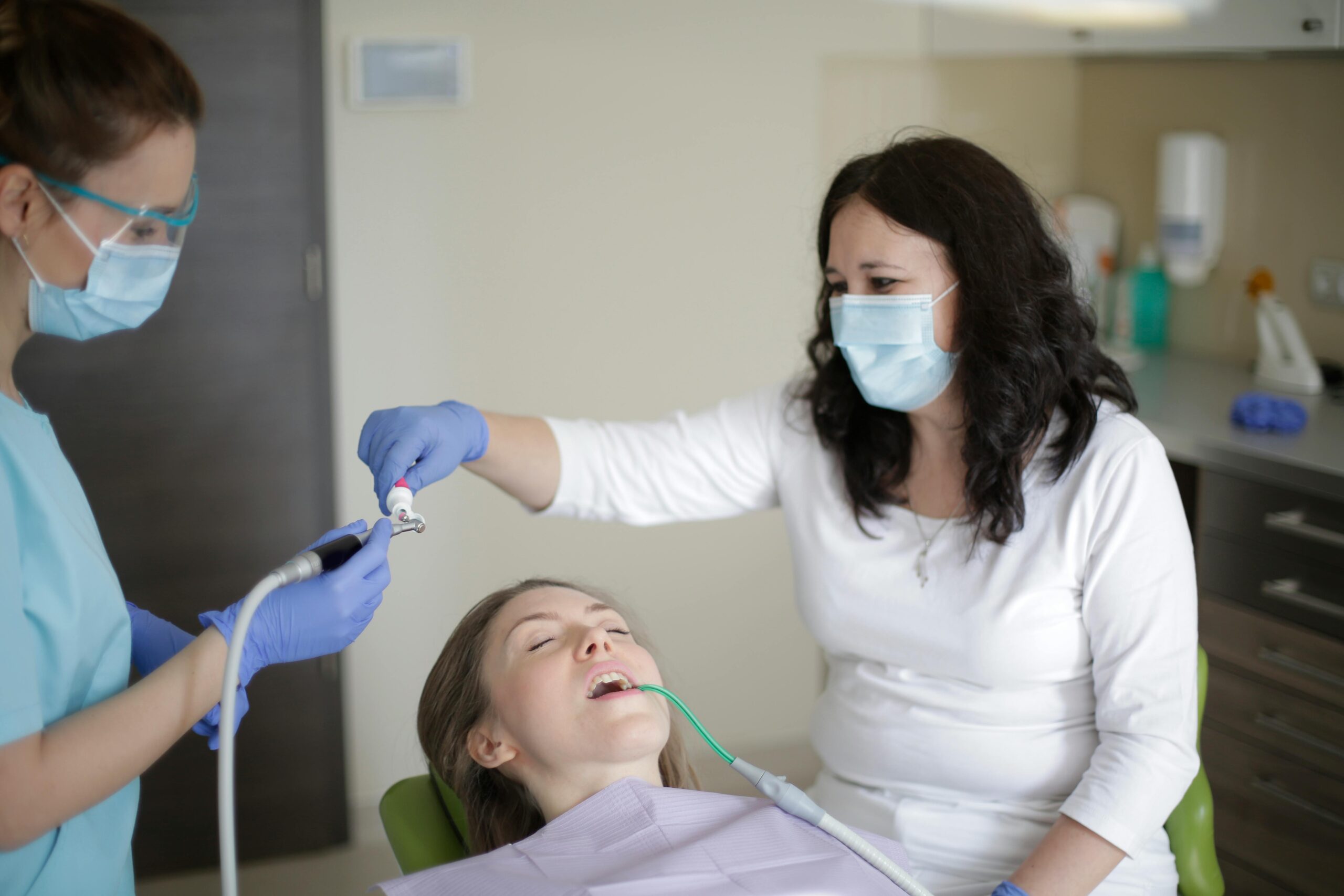
Preventive dentistry protects your mouth before problems grow. It supports you as a child, an adult, and an older adult. Your needs change with time. Tooth decay in childhood. Grinding and stress in your working years. Dry mouth and tooth loss as you age. Each stage brings new risks. Regular cleanings, checkups, and simple daily habits give you control. They lower pain, cost, and fear. They keep small issues from turning into emergencies. A Sunnyvale dentist can track changes early and guide you with clear steps that fit your life. You do not need perfect teeth to start. You only need steady care. This blog explains how preventive dentistry supports you at every age. It shows what to ask, what to expect, and how to act before trouble starts.
How Prevention Protects Your Whole Body
Your mouth connects to the rest of your body. Gum disease links to heart disease and diabetes. Untreated infection can spread and cause sickness. You might feel tired, foggy, or in pain and not know your teeth are part of the cause.
The good news is that basic habits change this story. Brushing with fluoride toothpaste, flossing, and seeing a dentist on a steady schedule protect more than your smile. They help you eat, speak, and sleep with less strain. They also help your child grow and learn with fewer missed school days.
You can read more about how oral health connects to overall health from the Centers for Disease Control and Prevention at this CDC oral health page.
What Preventive Dentistry Includes
Preventive care is simple. It focuses on three steps.
- Home care. Brushing twice a day with fluoride toothpaste. Cleaning between teeth. Limiting sugary drinks and snacks.
- Regular checkups. Professional cleanings. Exams. X-rays when needed to see hidden decay.
- Protection. Fluoride treatments. Dental sealants for back teeth. Custom mouthguards for sports or grinding.
Each step works together. You handle daily cleaning at home. Your dental team checks for early change. Then they step in with quick treatment before problems grow.
Why Children Need Strong Preventive Care
Childhood sets the pattern for life. Early tooth decay can cause pain, trouble eating, and missed school. It can also shape how a child feels about the dentist. Gentle, steady visits build trust.
For children, preventive care often includes three key parts.
- Fluoride to harden enamel and prevent cavities.
- Sealants on the chewing surfaces of back teeth to block food and bacteria.
- Guidance for parents on brushing, flossing, and diet.
The American Academy of Pediatric Dentistry suggests a first dental visit by age one or within six months of the first tooth. You can confirm child oral health guidance at the National Institute of Dental and Craniofacial Research site here NIDCR child oral health.
Teenagers and Young Adults
During the teen years, your child faces new pressures. Sports, sugary drinks, and late nights can damage teeth. Braces or aligners make cleaning harder. Some teens start smoking or vaping. These habits raise the risk of gum disease and stains.
Preventive care in this stage focuses on three goals.
- Protecting teeth during sports with mouthguards.
- Teaching strong cleaning habits around braces or aligners.
- Talking openly about tobacco, vaping, and oral piercings.
Regular checkups catch early gum inflammation. They also give your teen a safe place to ask personal questions about breath, whitening, and mouth changes.
Adults Balancing Work, Family, and Health
As an adult, you juggle many duties. It is easy to move your own care to the bottom of the list. You might wait until you feel pain. By then, decay or gum disease might be serious.
Steady preventive care helps you avoid sudden emergencies that disrupt work and family life. It can also lower long term cost. A small filling costs less than a root canal and crown. A short cleaning costs less than surgery for advanced gum disease.
Adults often face three common issues.
- Grinding or clenching from stress that wears teeth down.
- Early gum disease that causes bleeding when you brush.
- Old fillings or crowns that start to break or leak.
Regular visits allow your dentist to watch these changes and step in early. A simple night guard can protect teeth from grinding. A deep cleaning can stop gum disease from getting worse.
Older Adults and Long Term Health
As you age, your mouth changes. You might take medicines that cause dry mouth. This raises the risk of cavities along the gumline. You might have arthritis that makes brushing and flossing hard. You might also wear partial or full dentures.
Preventive care for older adults focuses on three outcomes.
- Keeping natural teeth as long as possible.
- Protecting gums and bone so dentures or implants stay stable.
- Maintaining comfort so you can eat a wide range of foods.
Regular dental visits also help spot signs of oral cancer, infection, and denture sores. Catching these early can protect your health and independence.
How Preventive Care Compares Across Ages
The table below shows how preventive dentistry changes with age.
| Life stage | Main risks | Key preventive steps | Visit frequency |
|---|---|---|---|
| Children | Early cavities. Injury from falls or sports. | Fluoride. Sealants. Diet guidance. Mouthguards. | Every 6 months or as advised |
| Teens and young adults | Decay from sugary drinks. Gum inflammation. Sports injury. | Cleanings. Brushing and flossing coaching. Mouthguards. Tobacco counseling. | Every 6 months or as advised |
| Adults | Gum disease. Grinding. Failing fillings or crowns. | Cleanings. X-rays when needed. Night guards. Early repair. | Every 6 to 12 months based on risk |
| Older adults | Dry mouth. Root cavities. Loose teeth or dentures. | Fluoride. Moisture support. Denture checks. Cancer screening. | Every 3 to 6 months based on health |
How to Start Strong Preventive Care Today
You can start at any age. You do not need a perfect history. You only need a clear plan.
Use three simple steps.
- Schedule a checkup. Share your medical history and your worries. Ask for a clear summary of your mouth health.
- Set home habits. Brush twice a day with fluoride toothpaste. Clean between teeth once a day. Drink water instead of sugary drinks.
- Plan follow up. Ask how often you should return. Put the date in your calendar before you leave the office.
Steady preventive dentistry gives you more comfort, more control, and fewer surprises. It supports you and your family through every stage of life.