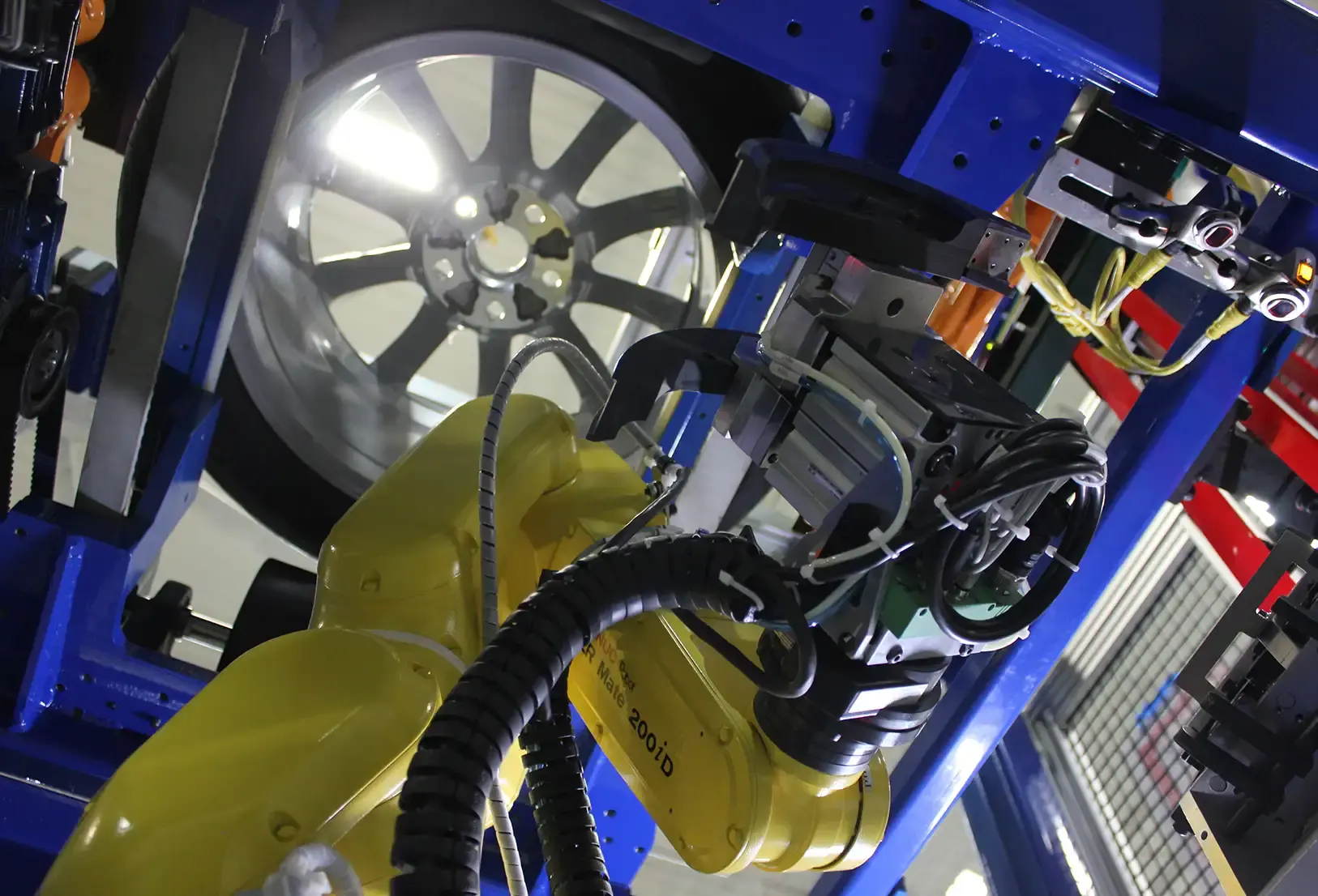
In a hands-on industry, grease-stained uniforms and clanging tools have long defined the environment. The word automation might seem out of place in such a setting.
However, step into any modern tire shop today, and you’ll notice a clear difference. There are fewer clipboards and more digital screens in use. The atmosphere is less chaotic and much more coordinated.
This change is not just a passing trend. It represents a real shift in how tire shops operate. Today’s shops focus on data, systems, and smooth workflows, not only on tools and machines. Rising customer expectations and increasing costs put pressure on tire shops to work smarter and faster.
Automation helps meet these challenges by improving efficiency and accuracy. It allows tire shops to do more with fewer resources. Automation is not meant to replace workers. Instead, it acts as a powerful ally, supporting the team in delivering better service.
Why Automation Matters in Today’s Tire Shops
Automation in tire shops isn’t about replacing skilled technicians. It’s about giving them tools to work smarter, not harder. With tight labor markets and increasing demand for speed and accuracy, automation offers much-needed relief.
A typical tire shop manages:
- Job scheduling
- Inventory
- Customer updates
- Billing
- Vendor coordination
All this happens while servicing vehicles under tight timelines. Without systems, it’s easy to fall behind or miss important details. Automation simplifies these tasks, reducing manual work and lowering the chance of errors.
Automation also improves consistency. Whether sending service reminders or logging completed work, it makes sure every step is documented. In a business where trust and reliability matter, this consistency is the key.
5 Key Areas Where Automation Is Transforming Tire Shop Operations
Automation affects many parts of tire shop operations. It is not a one-size-fits-all solution. Below are key areas where automation is making a real impact in modern tire shops.
1. Job Scheduling and workflow management
Handwritten calendars and sticky notes are a thing of the past. Automated scheduling tools assign tasks based on technician availability, job type, and estimated service time. This approach maximizes shop efficiency and prevents overbooking and downtime.
Automated workflows can route jobs through stages like inspection, approval, repair, and final review. No manual tracking is needed. This results in faster service and less confusion on the shop floor.
2. Inventory and parts tracking
Given that tire sales declined 3.4% in 2024 to $59.7 billion, reducing waste and managing inventory precisely is more important than ever. According to Tire Business, automation helps shops track real-time inventory and avoid costly stock issues.
Stockouts and overstocking are common problems for tire shops, especially with many brands and part types. Automation tracks real-time inventory levels, reorder points, and supplier lead times. Using tire shop software, shops can monitor parts usage and predict future needs more accurately. This reduces waste, saves money, and ensures the right parts are always available.
3. Customer communication and follow-ups
Keeping customers informed can take a lot of time. Automation makes communication almost effortless. Whether it’s appointment reminders, service updates, or follow-ups after repairs, automated messages build trust and keep your shop top of mind.
Automation also improves the overall customer experience. Imagine a customer getting a text that their vehicle is ready for pickup or a reminder about tire rotation. These small touchpoints boost satisfaction and encourage repeat business.
4. Payment and invoicing processes
Manual billing can cause delays, errors, or lost revenue. Automation ensures customers are billed accurately and on time. Digital payment systems integrated with the shop’s workflow speed up checkout and improve financial tracking.
Some systems offer contactless payments and digital signatures. This convenience benefits both the shop and the customer. It is becoming an expected standard in 2025 and beyond.
5. Reporting and performance insights
Understanding daily shop performance is essential, but manual tracking can be overwhelming and inconsistent. Automated systems collect data in the background and generate reports on key metrics like revenue, technician productivity, and job turnaround time.
These insights help shop owners make data-driven decisions. Whether cutting wait times or identifying profitable services, automation makes it easier to see what works and what needs improvement.
What This Means for Your Shop
If you still manage your tire shop with paper logs, phone calls, and mental checklists, you may be working too hard. Automation isn’t about being flashy. It’s about efficiency, consistency, and preparing for the future.
The good news is you don’t need to change everything at once. Start small by identifying bottlenecks in your daily workflow. Are jobs piling up due to poor scheduling? Are customers upset by long wait times or missed updates? Are invoices sent late?
Tire repair shop software is designed to solve these challenges quietly and efficiently. It supports your existing strengths without disruption.