


Key Takeaways
- Persistent tooth pain, lingering sensitivity to temperature, and discomfort when chewing are prime indicators of root canal needs.
- Swollen gums, a change in tooth color, and unexplained tooth sensitivity can all point to serious dental issues.
- Recognizing symptoms early and seeing a dentist promptly dramatically improves the chances of saving your tooth and maintaining good oral health.
Recognizing when a root canal is necessary is crucial for protecting your oral health and preventing severe dental complications. While some symptoms are obvious, others are more subtle yet equally important to address. Understanding the early warning signs enables you to seek timely treatment and save your natural tooth. For those wanting a deeper dive into dental procedures, especially root canals, learning more about Endodontics will help clarify the specifics, expected outcomes, and why early intervention matters.
Many dental patients ignore tooth pain or swelling, attributing it to minor, transient issues. However, these could actually signal underlying infection or nerve damage in the tooth. Root canal treatment, a core component of Endodontics, is designed to eliminate infection and preserve your natural smile. Understanding the signs and symptoms requiring this procedure can help you act quickly and avoid more complex dental treatments down the road.
Persistent Tooth Pain
One of the most recognizable signs that you may need a root canal is ongoing tooth pain. This type of pain may be continuous or worsen when you chew, bite down, or apply pressure to the tooth. It often stems from inflamed or infected pulp inside the tooth, which cannot heal on its own. Without intervention, such as a root canal, the pain will likely intensify, and the infection may spread into the jawbone or surrounding tissue, putting your entire oral health at risk.
Sensitivity to Hot and Cold
Another common symptom is heightened sensitivity to hot or cold temperatures. Unlike normal tooth sensitivity that fades in a few seconds, pain from nerve or pulp damage lingers long after exposure. If sipping tea or eating ice cream sends a prolonged, sharp discomfort through your tooth, it is a red flag for possible nerve involvement inside the tooth. Ignoring this sign can lead to irreversible damage that makes saving the tooth more difficult.
Swollen or Tender Gums
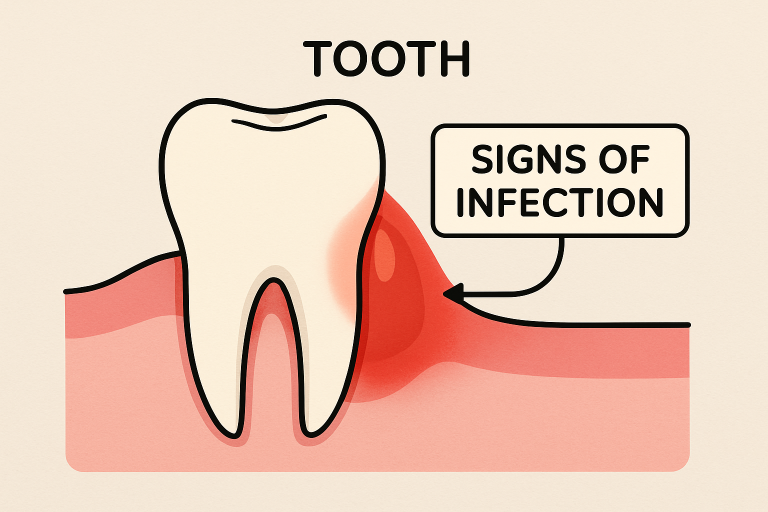
Swelling or tenderness in the gums near a specific tooth is often associated with infection. In some cases, you may even notice a small bump or pimple-like spot on the gums known as a gum boil or abscess. This signifies that pus or infection is trapped within the tissue, requiring immediate dental attention. Swollen gums can sometimes be accompanied by a bad taste in your mouth or foul odor, both indications of underlying infection that may necessitate a root canal procedure.
Tooth Discoloration
Healthy teeth are typically white or slightly off-white, with consistent coloration. When a tooth appears gray, brown, or even black compared to its neighbors, internal decay or pulp death may be to blame. Tooth discoloration of this sort is not cosmetic—it’s usually an indicator that the pulp inside your tooth has died due to trauma or infection and needs to be removed through a root canal in order to preserve the tooth itself.
Pain When Chewing or Touching the Tooth
If you experience a stabbing pain when you bite, chew, or even lightly touch a tooth, it’s a sign that the nerve or surrounding tissue inside could be severely damaged. Often, this pain is associated with inflammation or infection, and ignoring it can further compromise the tooth, sometimes leading to tooth loss or more severe systemic health issues.
Cracked or Chipped Tooth
Cracked or chipped teeth aren’t just a cosmetic issue—they can introduce bacteria directly into the tooth’s inner pulp, dramatically increasing the risk of infection. Even minor cracks, if left untreated, provide an open door for bacteria, leading to pulp injury that might not be immediately noticeable. Dentists recommend quickly having chipped or cracked teeth evaluated to determine if a root canal is needed.
Prolonged Sensitivity Without an Obvious Cause
There are times when teeth become sensitive to pressure changes or temperature fluctuations without any clear reason, such as a recent filling or visible damage. This unexplained, lingering sensitivity is a reliable warning that the tooth’s nerve may be compromised and a root canal could be necessary. Left unresolved, the underlying cause can worsen and make tooth preservation more difficult.
Why Early Diagnosis Matters
Early diagnosis and intervention are critical when it comes to root canals. Treating infected or damaged pulp quickly can save your natural tooth, shorten your recovery, and help maintain your overall oral health. Delaying treatment can cause the infection to spread, not only jeopardizing the affected tooth but also putting neighboring teeth and even your jawbone at risk. Seeking dental care as soon as you notice symptoms is the best way to ensure a successful outcome and avoid more invasive procedures in the future.
Comprehensive information about root canal signs and symptoms can be found in this detailed root canal symptoms guide.


