


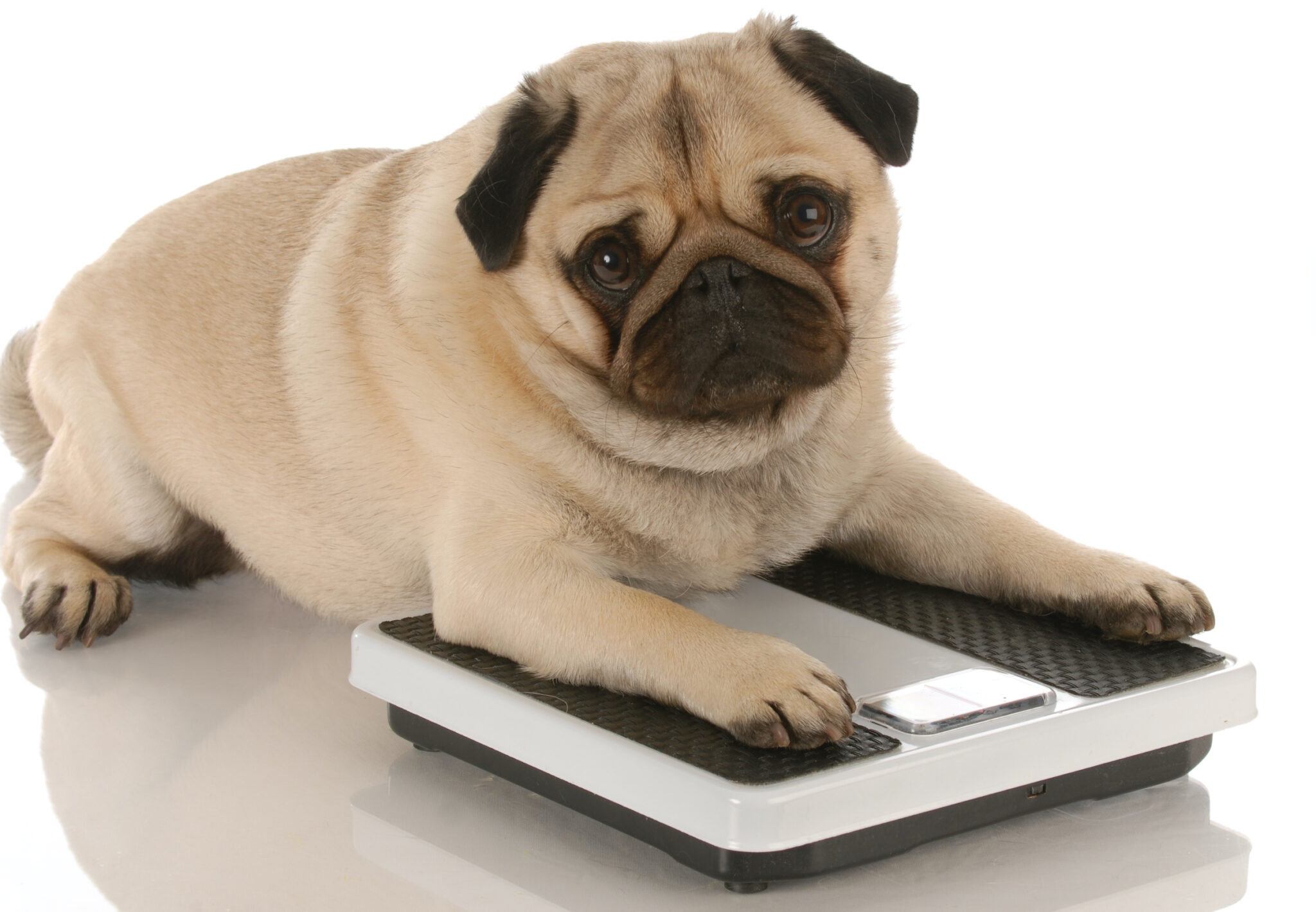
Extra weight shortens a pet’s life. You see it in small ways. Your dog pants after a short walk. Your cat stops jumping at the window. General vets watch these changes closely. They use simple tools and clear steps to track weight and body fat. They do not guess. They measure. Then they act.
During each visit, vets record weight, check body shape, and ask about food and treats. They compare today’s numbers to past visits. This shows if your pet is gaining, losing, or holding steady. Even a few extra pounds can strain joints, heart, and organs.
At an Oakville animal hospital or any clinic, the goal stays the same. Keep your pet strong, mobile, and free from pain. This blog explains how vets spot early signs of obesity, what they look for during exams, and how you can support a steady, safe weight at home.
Why vets worry about extra weight
Extra fat is not just “more to love”. It changes how the body works. It raises the risk of:
- Diabetes
- Joint and back pain
- Heart and breathing problems
It also makes surgery and recovery harder. It can shorten life by years. You may not see this yet. Your vet sees the pattern every day.
How vets measure weight at each visit
First, staff place your pet on a scale. They record the weight every time. They use the same scale for each visit. This keeps the numbers steady and fair.
Next, they compare today’s weight with past visits. A small change each year can build into a large gain. Even two or three pounds can push a medium dog into an unsafe range.
Then they ask you clear questions.
- What brand of food do you use
- How much do you feed at each meal
- How many treats do you give in a day
- Does anyone else in the home feed extra snacks
These details help explain the numbers on the scale. They also help you see where quiet habits add up.
Body Condition Score checks
Weight alone does not tell the full story. A tall dog and a short dog can weigh the same and still have different fat levels. So vets use a Body Condition Score. This is a simple 1 to 9 scale for dogs and cats. A score of 4 or 5 is ideal. A score of 6 or higher shows extra fat.
During the exam, your vet will:
- Feel your pet’s ribs
- Look from the side and from above
- Check the waist and belly
Here is a basic guide you may hear in the exam room.
| Body Condition Score | What your vet sees and feels | What it means |
|---|---|---|
| 1 to 3 | Ribs and spine stick out. Waist is sharp. Little body fat. | Too thin. Needs careful weight gain. |
| 4 to 5 | Ribs are easy to feel. Waist clear from above. Belly tucked. | Healthy weight. Keep the current plan. |
| 6 to 7 | Ribs hard to feel. Waist faint. Fat over the belly and back. | Overweight. Needs a weight loss plan. |
| 8 to 9 | No waist. Belly round. Thick fat at the neck and tail base. | Obese. Higher health risk. Needs close vet support. |
You can learn more about healthy body shape from the American Veterinary Medical Association.
Other checks vets use
Weight and shape are only part of the visit. Your vet may also:
- Listen to the heart and lungs
- Check joints and spine for pain
- Look at skin folds for redness or infection
- Run blood tests to screen for diabetes or thyroid disease
These checks help find hidden damage from extra fat. They also show if a health problem is causing weight gain. That affects the plan you follow at home.
How vets track progress over time
Weight loss must be slow and steady. Quick loss can harm the liver and muscles. So vets set a safe goal. Often, you aim for a 1 to 2 percent loss of body weight each week.
Here is a simple example.
| Pet weight | Target weekly loss (1–2 percent) | Approximate monthly loss |
|---|---|---|
| 10 kg cat | 0.1 to 0.2 kg | 0.4 to 0.8 kg |
| 30 kg dog | 0.3 to 0.6 kg | 1.2 to 2.4 kg |
Your vet will ask you to come back for weight checks. Some pets need monthly visits. Some need checks every two or three months. Each visit gives a clear yes or no. The plan works, or it needs to be changed.
Home habits your vet will review
Your choices at home shape your pet’s body. During weight talks, vets often focus on three parts.
First, the amount of food. You measure each meal with a real measuring cup. You do not “eyeball” the scoop. You follow the plan given by your vet. This may differ from the bag label.
Second, treats. Treats must stay small and rare. Many pets gain weight from human food and extra snacks. Your vet may suggest:
- Cutting treat count in half
- Using part of the daily food as treats
- Choosing low-calorie treats like plain green beans
Third, movement. Your vet will ask about walks and play. Together, you set a safe goal. Short, steady walks. Simple games that match your pet’s age and joint health. The Centers for Disease Control and Prevention Healthy Pets page has tips on safe activity with pets.
How you can help during vet visits
You play a central role. You see your pet every day. Your vet sees your pet a few times a year. You can help by:
- Bringing a list of all foods, treats, and supplements
- Sharing honest details about table scraps and extra snacks
- Noticing changes in breath, snoring, or stamina
- Asking for a Body Condition Score at each visit
Early action is kinder than late action. Extra weight creeps up. You can stop it with clear eyes and steady steps. Your vet stands with you. Together you protect your pet’s comfort, strength, and years of shared life.

