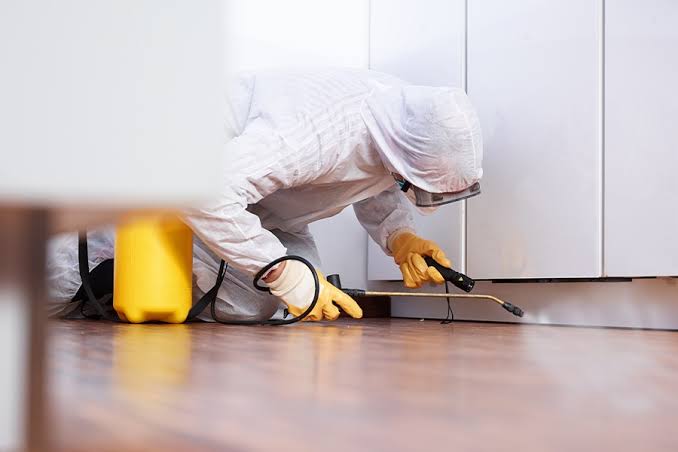
Living in Virginia Beach means dealing with a whole lineup of moisture-loving pests. Between the humidity rolling off the ocean and all our marshy, damp spots, bugs here don’t exactly struggle to find a good place to call home. Roaches, silverfish, earwigs, even those creepy little centipedes—they all thrive when the air is sticky and the crawlspaces are damp.
Now, if you’ve ever gone down the DIY pest control rabbit hole (and who hasn’t, especially after spotting a bug in the bathroom at midnight?), you’ve probably come across diatomaceous earth. It sounds fancy, but it’s really just a powder made from fossilized algae. And the big question is: does this old-school, physical control method still work against bugs that love moisture? When is it time to call exterminators VA Beach?
The Appeal of Diatomaceous Earth
Here’s the cool thing about diatomaceous earth (or DE, if you don’t feel like saying the full name every time): it’s not a chemical. You sprinkle it around baseboards, under appliances, or even in your crawlspace, and it acts like tiny shards of glass to bugs. It cuts through their exoskeletons and dehydrates them, which sounds harsh but works surprisingly well on a lot of pests.
That’s why so many folks still keep a bag of it in the garage. It’s affordable, safe around pets and kids (as long as you use food-grade DE and don’t breathe in a cloud of it), and it doesn’t lose effectiveness over time—at least, not until it gets wet.
The Problem in Humid Virginia
Here’s where it gets tricky for us coastal folks: DE and moisture don’t get along. Once it’s damp, it clumps up and stops working. And in a place like Virginia Beach, where basements, crawlspaces, and even outdoor patios seem to stay damp half the year, you really have to be strategic.
I’ve seen neighbors in Kempsville lay it down in their crawlspaces in the spring, only to have a summer storm roll through and turn the whole thing into mud. No surprise, the bugs weren’t too impressed. But I’ve also heard from folks in Great Neck who swear by using DE in drier indoor spots—like behind the fridge or in pantry corners—to keep roaches from settling in.
So, is it effective? Yes, but only if you’re realistic about where and when you use it.
Pairing DE with Other Tactics
If you’re dealing with moisture-loving pests here in Virginia Beach, DE shouldn’t be your only line of defense. Think of it like a handy tool in the toolbox, but not the whole kit.
- Dehumidifiers in damp spaces: Bugs love humidity. Lower it, and they scatter.
- Seal up entry points: Even the tiniest crack near a window frame is an invitation.
- Regular cleaning: Silverfish, especially, love to snack on paper and crumbs.
- Targeted sprays or baits: For bigger infestations, sometimes you need a little backup.
The folks I know who’ve had the best luck with DE are the ones who combine it with these other strategies. They’ll sprinkle it in dry, hidden areas while also keeping an eye on leaks or damp spots. And best, call in Virginia beach exterminator when needed.
FAQs About Diatomaceous Earth and Moisture-Loving Bugs
Q: Can DE really kill roaches?
Yes, it can. But it works best when roaches actually crawl through it, which means placing it strategically in their travel paths—under sinks, behind appliances, and near entry points.
Q: Is DE safe for pets?
Food-grade DE is considered safe around dogs and cats. Just avoid putting it somewhere they might sniff or paw at it constantly.
Q: Does it work outdoors in Virginia Beach?
Not so much. Between rain, dew, and humidity, it usually loses effectiveness outside pretty quickly. Stick to indoor, dry applications.
Q: How often should I reapply DE?
If it stays dry, it can work for weeks. But if you’re in a damp spot or cleaning regularly, you’ll want to reapply every couple of weeks.
Final Thoughts
So, is diatomaceous earth still effective against moisture-loving bugs in a place like Virginia Beach? Absolutely—but it’s not magic. Think of it as a low-cost, low-toxicity helper that works best in dry, controlled spots inside your home. If you expect it to solve a soggy crawlspace silverfish problem all on its own, you’re probably going to be disappointed.
The way I see it, DE is a great “set it and forget it” option for drier areas—like tucking some behind the stove or sprinkling it in the attic. But here along the coast, with our endless humidity battles, it really shines when used as part of a bigger pest control plan.
And hey, if nothing else, it’s a whole lot better than chasing a roach across your kitchen at 11 p.m. with a shoe in hand. Been there, done that.