




An open bite can make it hard to chew, speak, or even smile without worry. Teeth do not meet. Jaw muscles strain. Confidence drops. You might feel confused about what to do next. You are not alone. Many children, teens, and adults face this exact problem. The good news is that open bite treatment now offers clear choices. These include simple habit appliances for thumb sucking, tongue thrust, and mouth breathing. They also include braces, aligners, and jaw surgery for more severe problems. Each option has its own steps, limits, and benefits. You deserve straight talk about what works, how long it takes, and what it demands from you or your child. An orthodontist in Redlands and Loma Linda can guide you, but you should first understand the tools they use. This blog walks you through those options so you can choose with calm and strength.
What Is An Open Bite
An open bite happens when your upper and lower teeth do not touch when you close your mouth. You may see a gap in the front or on the sides. Food slips through that space. Words sound unclear. Your lips work harder to close.
Common causes include:
- Thumb or finger sucking
- Prolonged pacifier use
- Tongue thrust when swallowing or speaking
- Mouth breathing from allergies or a blocked nose
- Jaw growth patterns in your family
Untreated open bite can lead to chewing problems, speech problems, and jaw pain. The National Institute of Dental and Craniofacial Research explains that bite problems can also affect tooth wear and long-term oral health.
Habit Appliances For Children
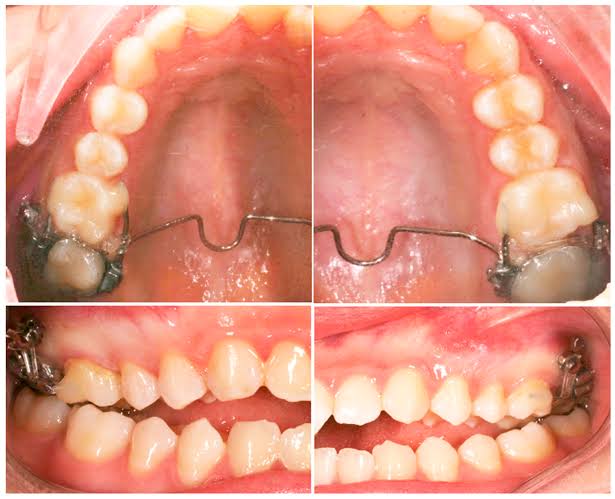
Habit appliances work best when an open bite comes from thumb sucking, tongue thrust, or mouth breathing in a growing child. These devices sit in the mouth and block the habit. Over time, the bite can close as the habit fades and growth continues.
Common habit appliances include:
- Thumb crib that keeps the thumb from resting on the palate
- Tongue crib that stops the tongue from pushing between teeth
- Palatal expander when a narrow upper jaw adds to the open bite
These devices usually attach to upper molars. You cannot remove them at home. That removes the temptation to stop treatment. You still need to clean your teeth well and watch for sore spots.
Braces For Open Bite
Braces use brackets and wires to move teeth into contact. They can close an open bite by:
- Pulling upper front teeth down
- Raising lower front teeth up
- Adjusting back teeth so jaws fit together
Braces help both teens and adults. They work well for moderate open bites. Treatment can take one to three years. You need regular visits and strong brushing and flossing.
Sometimes braces include extra tools such as:
- Elastics that hook between jaws to change the bite
- Temporary anchors placed in bone to move teeth in tough cases
Clear Aligners For Open Bite
Clear aligners are plastic trays that fit over your teeth. You change them every one to two weeks. Each new set moves teeth closer to a closed bite.
Aligners can help when:
- Your open bite is mild or moderate
- You will wear trays 20 to 22 hours each day
- You want a more discreet option
You remove aligners to eat and brush. That makes cleaning easier. It also makes it simple to forget them. Treatment success depends on your routine and honesty with yourself.
Jaw Surgery For Severe Open Bite
Some open bites come from jawbones that grew in different directions. Teeth alone cannot fix that. In those cases, a surgeon may move the upper jaw, lower jaw, or both. Braces usually come before and after surgery.
Jaw surgery is a major step. You need time off work or school. You also need strong support at home. Yet for some adults, it brings the first comfortable bite in years. The University of Michigan School of Dentistry explains that surgery with orthodontics can improve chewing and speaking when jaw growth causes severe bite problems.
Comparing Open Bite Treatment Options
| Treatment | Best For | Typical Age | Key Demands On You |
|---|---|---|---|
| Habit appliance | Habit-based open bite in a growing child | 5 to 12 years | Good brushing. Regular checks. Support for breaking habits. |
| Braces | Mild to severe tooth-based open bite | Teens and adults | Visits every few weeks. Strong cleaning. Care with food. |
| Clear aligners | Mild to moderate open bite | Older teens and adults | Wear trays most of the day. Track use. Clean trays and teeth. |
| Jaw surgery plus braces | Severe open bite from jaw growth | Adults with finished growth | Time for surgery and healing. Long treatment. Emotional support. |
How To Choose The Right Option
You do not need to choose alone. Yet you can prepare by asking three core questions.
- What caused this open bite? Habit, growth, or both
- Is growth still happening or mostly finished
- How much time, money, and daily effort can you give
Bring photos, past dental records, and a clear list of your goals. Say if your main concern is chewing, speech, pain, or how your smile looks. Honest goals help guide the plan.
Daily Life During Treatment
Open bite treatment touches daily life. You may feel sore after adjustments. You might speak slightly differently with a new device. Eating may feel strange for a time.
You can make this easier if you:
- Choose soft foods after each adjustment
- Use wax for sore spots from braces or appliances
- Follow cleaning instructions exactly
Small steps protect your teeth and gums. They also prevent delays in treatment.
Moving Forward With Confidence
An open bite can feel heavy. Yet it is treatable. Habit appliances can protect growth in children. Braces and aligners can guide teeth into contact. Surgery can correct deep bone problems when needed.
Ask clear questions. Request written plans. Take time to think. With the right plan and support, you can move toward a bite that works and a smile that feels safe.