




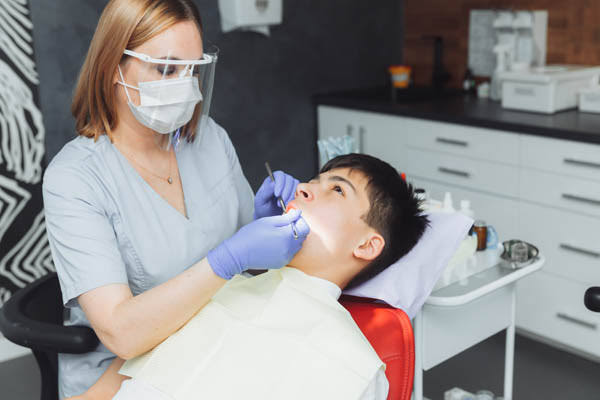
Healthy teeth protect your comfort, speech, and daily routine. General dentistry gives your family simple tools to keep that protection strong. You may feel uncertain about what truly helps and what only adds stress and cost. This guide explains five core preventive services that you can count on at a trusted dentist in Old Town Alexandria. Each one lowers the risk of pain, infection, and urgent visits. Together, they support steady habits for you and your children. You will see how basic cleanings, early checks, and simple treatments stop small problems from growing. You will also learn what to expect at each visit, how often to schedule, and what questions to ask. Clear steps replace worry. Little changes in care today can spare your family from serious dental work later.
1. Routine Exams and Professional Cleanings
Regular checkups are the basis of family dental care. You sit in the chair. The dentist checks each tooth, your gums, and your bite. The hygienist then cleans away plaque and tartar that your brush cannot reach.
These visits let your dentist:
- Spot early tooth decay
- Check for gum disease
- Watch jaw and tooth growth in children
The Centers for Disease Control and Prevention explains that untreated cavities are common in children and adults. Regular exams catch these early. That means smaller fillings and less pain.
Most families do best with a visit every six months. Some people need more frequent cleanings if they have a history of decay or gum disease. Ask your dentist what schedule fits your mouth and your child’s mouth.
2. Dental X Rays for Early Detection
Dental X-rays show what eyes cannot see. They reveal decay between teeth, infections at the root, and problems with growing teeth. The dentist uses them to plan safe, simple care.
You may worry about radiation. Current digital X-rays use very low levels. The National Institute of Dental and Craniofacial Research states that dental X-rays are safe when used with proper shields and only when needed.
Common types include:
- Bitewing X-rays. Show decay between back teeth.
- Periapical X-rays. Show the whole tooth and root.
- Panoramic X-rays. Show all teeth and jaws in one image.
Children may need X-rays more often during growth. Adults with low risk may need them less often. The dentist weighs benefit and risks at each visit and explains the reason before taking images.
3. Fluoride Treatments for Stronger Enamel
Fluoride is a natural mineral. It strengthens tooth enamel and helps repair early decay. At the office, fluoride comes as a gel, foam, or varnish painted on the teeth.
This service is simple. It takes a few minutes. It does not hurt. Children and adults can both receive it. Fluoride is especially helpful for:
- Children with growing teeth
- People with frequent cavities
- People with dry mouth from medicines
At home, you support this by using fluoride toothpaste and drinking fluoridated tap water when available. Your dentist can review local water fluoride levels and help choose the right toothpaste for each family member.
4. Dental Sealants for Children and Teens
Sealants act like a shield over the grooves of back teeth. The dentist cleans the tooth, applies a gentle gel, rinses, dries, and then paints on a thin coating. A light hardens the coating.
Sealants block food and germs from settling in deep grooves. This prevents many cavities in children. The process is quiet and quick. It does not remove tooth structure.
Sealants work best when placed soon after the permanent molars come in. That usually happens around ages 6 and 12. Ask the dentist to check if your child’s molars are ready for sealants at each routine exam.
5. Personalized Home Care Coaching
Office visits matter. Yet what you do in your bathroom sink matters more. Dentists and hygienists teach simple daily steps that fit your life.
During a visit, the team may:
- Show how to angle the brush along the gumline
- Help your child learn two-minute brushing with a song or timer
- Suggest floss holders or interdental brushes
- Review snacks and drinks that raise cavity risk
This coaching turns vague advice into clear tasks. You leave knowing what to change that same day.
How Often Do Families Need These Services
Each month is different. Yet common schedules help you plan. Use this table as a starting guide and then adjust with your dentist.
| Service | Typical Frequency for Children | Typical Frequency for Adults | Main Goal |
|---|---|---|---|
| Routine exam and cleaning | Every 6 months | Every 6 months | Remove plaque and tartar. Catch problems early. |
| Dental X rays | Every 6 to 18 months based on risk | Every 12 to 36 months based on risk | Find hidden decay and bone changes. |
| Fluoride treatment | Every 3 to 6 months for higher risk. Yearly for lower risk. | Every 6 to 12 months for higher risk. | Strengthen enamel. Reduce new cavities. |
| Dental sealants | Once per permanent molar. Checked at each visit. | As needed if deep grooves and no prior sealant. | Protect chewing surfaces from decay. |
| Home care coaching | Every visit | Every visit | Improve daily brushing, flossing, and diet. |
Putting These Services to Work for Your Family
These five services work best together. You can take three simple steps now.
- Schedule routine exams for everyone in the family.
- Ask your dentist to review your risk for cavities and gum disease.
- Set one clear home habit, such as brushing two times each day with fluoride toothpaste.
Steady preventive care cuts surprise pain and rushed visits. It protects your child’s focus at school and your focus at work. It also keeps treatment smaller and less costly when problems start.
Your mouth tells a story about your health. Regular care with a trusted general dentist helps that story stay calm and steady for you and your family.