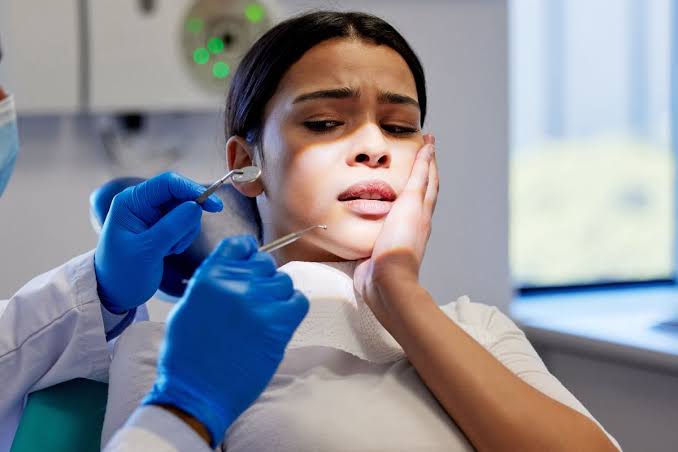





Clear communication between your dentist, specialist, and primary care doctor keeps your mouth and body safer. Yet phone calls, faxes, and mailed charts often cause delays and confusion. Digital dental records remove many of those roadblocks. They keep your X‑rays, notes, and treatment plans in one secure place that other trusted providers can access when needed. That means fewer repeat forms, fewer mixed messages, and fewer gaps in your care. This matters for routine cleanings, complex procedures, and sudden emergencies. It also matters for busy teams that handle North San Antonio dental practice support. When your records move faster, your care moves faster. In this blog, you will see four clear ways digital dental records cut down on confusion, protect your time, and support safer treatment. You deserve care that feels coordinated. You should not have to act as the messenger.
1. You Share Your Health Story Once
Every time you fill out a new paper form, you face risk. You might forget a medicine. You might skip an allergy. Staff might misread your handwriting. Digital dental records reduce those risks. Your health story sits in one place and follows you from visit to visit.
When your dentist uses electronic records, key parts of your history stay updated in real time. These include:
- Current medicines and doses
- Allergies and past reactions
- Chronic conditions like diabetes or heart disease
- Past dental work and surgery dates
Next, when your dentist needs to speak with your physician, the staff can share that same record in a secure way. You do not need to recall every detail by memory. You also do not need to carry printed charts from office to office.
The Office of the National Coordinator for Health Information Technology explains how shared electronic health records help your providers see the same facts at the same time.
2. Your Providers See the Same Pictures and Plans
Dental care often depends on images. X‑rays, 3D scans, and photos show what words cannot. In a paper system, staff might mail a disc or print an image that later gets lost. In a digital record, those images attach to your chart and are easy to find.
This helps when:
- Your general dentist sends you to a specialist
- You seek a second opinion
- You need hospital care related to a mouth infection or injury
Your providers can pull up the same image and talk through options using clear facts. That reduces guesswork and delays. It also lowers exposure to extra X‑rays, since repeat images are less likely when the first set is easy to share. The U.S. Food and Drug Administration offers clear guidance on safe dental X‑ray use at FDA Dental Radiography. Digital records help teams follow that guidance.
3. Messages Move Faster and With Less Confusion
Old systems rely on phone tags and fax lines. Staff leave messages. People mishear numbers. Pages stick in machines. Each step creates a chance for error. Digital records support secure messaging between offices. That gives your providers a direct written path to share updates.
With secure digital messaging, your providers can:
- Confirm treatment plans in writing
- Share lab results and radiology reports
- Clarify medicine changes before and after a procedure
This type of record leaves a clear trail. If questions come up later, staff can look back at the exact message. You avoid the common fear of “he said, she said” between offices. You also gain faster answers when timing matters, such as before a planned surgery or during recovery.
Paper-Based Sharing Compared With Digital Dental Records
| Feature | Paper Charts and Faxes | Digital Dental Records |
|---|---|---|
| Record access speed | Hours or days | Minutes |
| Risk of lost records | High | Lower |
| Image sharing | Mailing discs or prints | Secure electronic transfer |
| Message clarity | Phone notes and fax copies | Direct written messages |
| Patient effort | Frequent form filling and record pickup | Share once and update as needed |
4. Emergencies Become Less Chaotic
During a dental or medical emergency, you may feel fear or pain. You may not recall your full history. Digital records help your providers fill in the blanks so you do not carry that weight alone.
With your consent and under privacy rules, dental teams can share key parts of your record with hospital staff or urgent care teams. This can include:
- Medicine lists and allergies
- Recent procedures
- Ongoing infections or healing wounds
That shared view supports safer choices about numbing medicine, antibiotics, and other treatments. It also helps prevent harmful mix-ups. For children and older adults, who may struggle to explain past care, this shared record can ease stress for the whole family.
The U.S. Department of Health and Human Services explains how privacy laws protect your health record while still allowing needed sharing for treatment and emergencies.
How You Can Support Stronger Communication
You play a key role in keeping your digital dental record complete. You can:
- Bring an up-to-date medicine list to every visit
- Report new diagnoses from other doctors
- Tell staff if you visit an urgent care or hospital between dental visits
Next, you can ask simple questions. Ask if your dentist uses electronic records. Ask how your information is shared with your other providers. Ask how your privacy stays protected. Clear answers can give you calm, even when care gets complex.
Digital dental records do more than store data. They help your providers talk to each other so you do not have to repeat your story again and again. That means fewer delays, fewer mixed messages, and safer care for you and your family.