





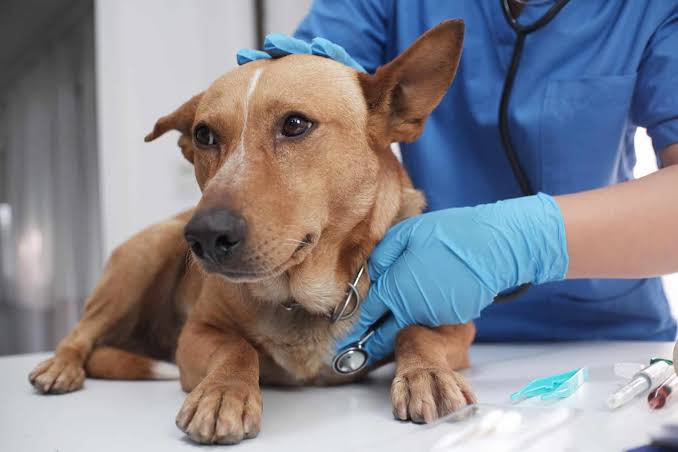
You trust your pet to bring you joy. You also fear the moment something goes wrong. A Berwyn veterinarian stands beside you in both moments. Emergency care focuses on sudden problems. Your pet may be hurt, bleeding, or unable to breathe. In those moments you need fast action, clear choices, and steady hands. Preventive care is different. You bring your pet in when nothing seems wrong. The visit feels calm. The goal is to stop disease before it grows, and to catch quiet warning signs early. Both types of care matter for your pet’s safety and comfort. Both rely on your bond with your veterinarian and your willingness to act. This blog explains how emergency and preventive care connect, how your veterinarian thinks in each setting, and what you can do today to protect your pet.
What Counts As An Emergency
You know your pet best. You also need clear signs that mean you should not wait. Call an emergency clinic or your regular veterinarian at once if your pet has:
- Trouble breathing or blue gums
- Heavy bleeding or a deep open wound
- Seizures or sudden collapse
- Hit by a car or a hard fall
- Vomiting or diarrhea that will not stop
- Refusal to drink water for a full day
- Swollen face, muzzle, or hives
- Inability to pass urine or stool
The American Veterinary Medical Association lists more warning signs and first steps you can take at home on its emergency care page at https://www.avma.org/resources-tools/pet-owners/emergency-care.
What Your Veterinarian Does In An Emergency
In an emergency your veterinarian focuses on three things.
- Keep your pet alive. Check breathing, heart rate, and bleeding.
- Find the cause. Use questions, exam, and tests to locate the problem.
- Relieve pain. Reduce fear and suffering as fast as possible.
You may see oxygen, IV fluids, or fast X rays. You may hear short questions about toxins, trauma, or past illness. The team works in short steps. You get plain language choices and likely outcomes. You also get honest talk about cost and limits.
What Preventive Care Looks Like
Preventive care visits feel quieter. The focus is to notice small changes before they grow into crisis. A routine visit often includes three parts.
- History. You share eating, drinking, play, and behavior changes.
- Physical exam. The veterinarian checks eyes, ears, teeth, skin, heart, lungs, belly, and joints.
- Screening tests. These may include blood work, stool checks, and heartworm tests.
The Centers for Disease Control and Prevention explain how regular parasite control protects pets and people at https://www.cdc.gov/healthypets.
Emergency Vs. Preventive Care: Key Differences
| Feature | Emergency Care | Preventive Care |
|---|---|---|
| Goal | Save life and stop rapid decline | Stop disease before it starts |
| Timing | Unexpected and urgent | Planned and scheduled |
| Cost pattern | High, sudden, hard to plan | Lower, steady, easier to plan |
| Stress level for pet | High stress, pain, fear | Lower stress, calmer visit |
| Your role | Fast action and quick consent | Consistent visits and home care |
| Common services | Stabilization, surgery, intensive monitoring | Vaccines, exams, parasite control |
How Preventive Care Reduces Emergencies
You cannot stop every crisis. You can cut the risk. Regular visits help your veterinarian:
- Spot heart disease before heart failure
- Find small tumors before they spread
- Manage weight before joints and organs fail
Vaccines and parasite control also block many emergencies. Distemper, parvo, and rabies bring sudden suffering. Heartworm can lead to heart and lung failure. Routine protection stops those threats in many pets.
Your Role Before, During, And After A Crisis
You carry real power in both types of care. Before a crisis, you can:
- Keep regular checkups and vaccines
- Use year round flea, tick, and heartworm control
- Watch for new lumps, limping, or behavior changes
During a crisis, you can:
- Stay as calm as you can for your pet
- Call first so the clinic can prepare
- Bring all medicines, records, and toxins or foods your pet may have eaten
After a crisis, you can:
- Follow home care steps exactly
- Give medicines on time until they are gone
- Return for rechecks even if your pet looks better
Building A Long Term Partnership With Your Veterinarian
A strong bond with your veterinarian makes both emergency and preventive care work better. You can build that bond when you:
- Use the same clinic for routine visits when possible
- Share honest details about cost limits and home routines
- Ask questions until you understand each plan
Over time your veterinarian learns your pet’s normal habits. Small shifts stand out. That sharp eye can mean the difference between a simple change in diet and a race to the emergency room.
Taking The Next Step Today
You do not need to wait for fear to act. You can call your veterinarian now. You can schedule a wellness visit. You can ask what emergency clinic to use after hours. You can post that number on your fridge and save it in your phone.
Each step may feel small. Together they protect the life that curls at your feet and trusts you without question.


