



When your animal is in crisis, minutes feel heavy and brutal. You need fast help, clear answers, and a team that knows exactly what to do. Veterinary hospitals give that help. They handle sudden injuries, poisonings, breathing trouble, or shock when waiting is not safe. You see bright lights, sharp smells, and steady movement. Behind that, there is a trained team, strict routines, and clear steps that protect your animal’s life. Here is what matters. You learn when to rush in. You see what happens from the first call to the exam room. You understand how a Central Boise veterinarian and other emergency teams work with your regular clinic. You also see how to prepare before crisis hits, so you are not frozen by fear. This blog gives you plain steps and hard truths, so you can act fast and protect the animal that trusts you.
When an Emergency Hospital Is the Right Place
You may wait and hope things get better. That delay can cost your animal its life. You should go to a veterinary hospital right away if your animal has any of these signs:
- Struggles to breathe or breathes with open mouth for a long time
- Bleeding that soaks a towel or will not stop with pressure
- Hit by a car or falls from a height
- Sudden trouble walking, seizures, or collapse
- Known poison exposure or a chewed pill bottle
- Swollen face or hives after a bite, sting, or new food
- Strains to urinate and passes little or no urine
- Tries to vomit but nothing comes up, with a tight or bloated belly
In those moments, a regular clinic may not have staff on site. A hospital with emergency care is built to receive you at any hour. That choice is hard but simple. You go.
What Happens the Moment You Arrive
The hospital works under pressure. You may feel chaos. There is order under it. Your animal moves through three key steps.
1. Triage at the Front Door
A nurse or doctor checks breathing, pulse, gums, and level of response. You may answer sharp questions. Age. Breed. What happened. When it started. You may sign a basic consent so care can start. You may stay in the lobby. That can hurt. It does not mean your case is ignored. It means care is ranked by risk of death.
2. Emergency Stabilization
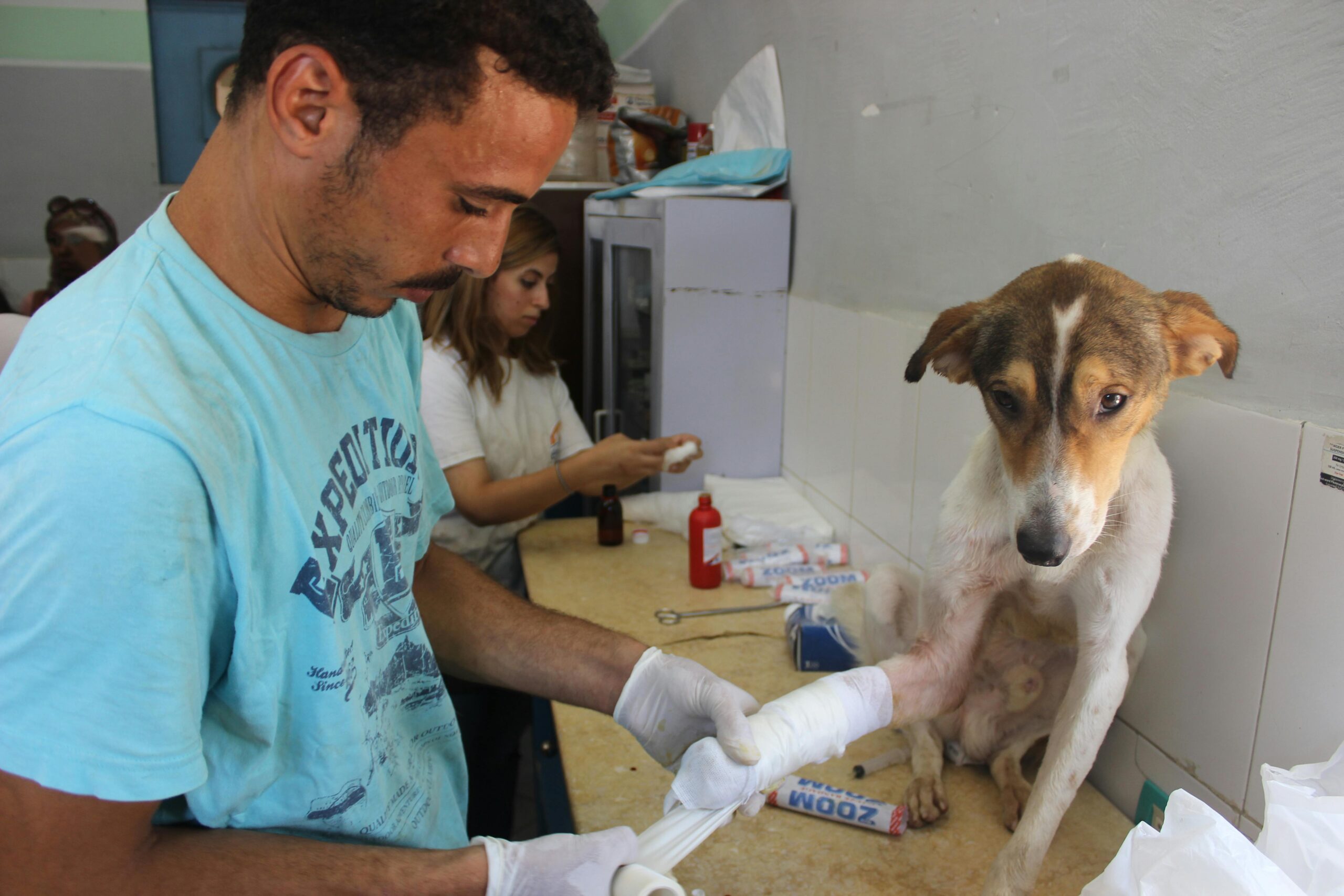
If your animal is in crisis, the team moves fast. They may
- Place an IV line for fluids and medicine
- Give oxygen by mask or cage
- Stop bleeding with bandages or pressure
- Control seizures
- Support body temperature
You may not see all of this. That distance can feel cold. It protects your animal and the team, and it saves seconds.
3. Testing and First Plan
Once your animal is safer, testing starts. The team may run blood work, X-rays, or ultrasound. You then get a first plan. That plan covers three things. What they think is wrong. What care is needed in the next hours. What the cost range may be. You can ask for clear language and simple terms. You should never feel ashamed to say you do not understand.
How Veterinary Hospitals Work With Your Regular Clinic
You are not choosing one or the other. You are choosing both. A veterinary hospital handles crisis care. Your regular clinic handles follow up care. That partnership protects your animal over a full life.
Here is a simple comparison.
| Type of Care | Emergency Veterinary Hospital | Regular Veterinary Clinic |
|---|---|---|
| Hours | Evenings, nights, weekends, holidays | Standard weekday hours |
| Main Role | Life saving and urgent care | Checkups, vaccines, long term care |
| Common Visits | Trauma, poison, breathing crisis, shock | Annual exams, minor illness, chronic disease checks |
| Stay Length | Hours to a few days | Short visits, usually no overnight stay |
| Team Focus | Fast action and constant monitoring | Ongoing health and prevention |
After the crisis, the hospital sends records to your clinic. You then return to your regular doctor for long term care. Routine care is more effective after treatment.
The People and Tools Behind Emergency Care
A veterinary hospital uses people and tools that are ready for sudden change. You may see:
- Veterinarians who lead care and make medical choices
- Technicians who place IV lines, run tests, and watch changes
- Assistants who hold, clean, and support the team
- Client service staff who guide you through forms and payment
You may also see:
- Oxygen cages and ventilators
- On site lab machines for blood and urine tests
- Digital X-ray and ultrasound
- Monitors for heart rhythm, blood pressure, and oxygen levels
These tools matter only when the team uses them with sharp attention. Good hospitals use checklists, repeat counts, and shared plans. You should feel that structure in how they talk with you.
How to Prepare Before an Emergency
You cannot predict every crisis. You can reduce the damage. You can act faster and with less panic. Simple steps help.
- Save the nearest emergency hospital phone number in your phone
- Know how to get there without GPS in case of outage
- Keep a written list of current medicines and doses
- Store your animal’s vaccine and medical records in a folder
- Build a small kit with muzzle, leash, towel, and copy of records
- Learn signs of poison and heat stroke for your species
You can read basic first aid and emergency signs for pets from the American Veterinary Medical Association. You can also see guidance on preventing animal bites and injuries from the Centers for Disease Control and Prevention. That knowledge can steady your mind when fear hits.
Facing Hard Choices With Clear Eyes
Emergency care can be expensive and painful to watch. You may face choices about surgery, intensive care, or euthanasia. You are not weak if you feel grief or anger. You should ask for
- Plain language about chances for recovery
- Short term and long term outlook
- Different care options with cost ranges
- Support for pain control and comfort
You can also ask for a few minutes in a quiet room to think. A strong team respects that need. They know your animal is part of your family and your history.
Why Your Actions Before Arrival Matter
What you do in the car and at home before you leave can change the outcome.
- Call the hospital first if you can. You may get life saving steps to do right away.
- Do not give human medicine unless a veterinarian tells you to.
- Keep your animal warm but not hot. Use a blanket if there is blood loss or shock.
- Use a flat board or blanket as a stretcher for large dogs with suspected spinal injury.
- Bring the poison package, plant sample, or pill bottle if ingestion is suspected.
These simple moves give the team more time and more clues. That can mean the difference between loss and recovery.
Closing Thoughts
When disaster hits your animal, you feel exposed and alone. A veterinary hospital is built for that moment. It offers sharp skill, steady routines, and hard truths. When you know when to go, what to expect, and how to prepare, you take back some control. You stand between fear and your animal. You act. You give your animal the strongest chance to come home.