







Table of Contents
- What Is Executive Protection?
- The Shifting Risk Landscape Facing Leaders
- How Executive Protection Services Differ from Traditional Security
- Skills and Attributes of Effective Protection Agents
- Modern Strategies and Technology in Executive Security
- Selecting the Right Executive Protection Services
- Real-World Scenarios and Lessons Learned
- Emerging Trends in Executive Protection
- Additional Resources
What Is Executive Protection?
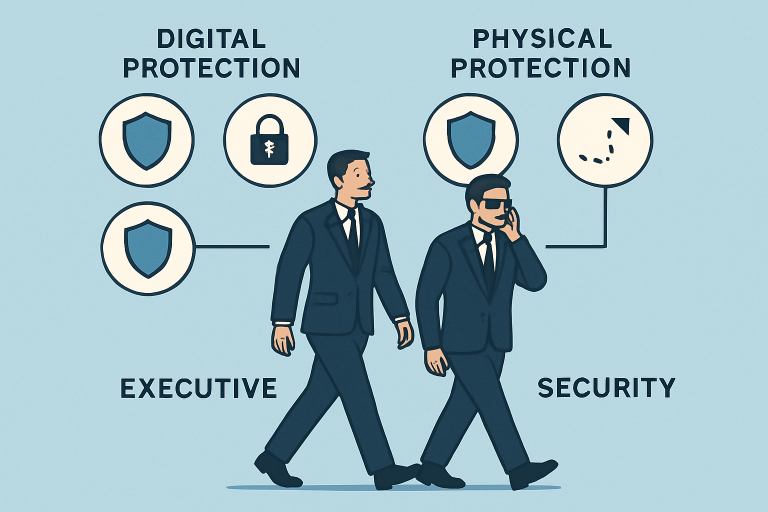
As the world becomes increasingly unpredictable, high-profile individuals turn to executive protection services to ensure their safety and peace of mind. These specialized services safeguard business leaders, celebrities, politicians, and other prominent figures against physical threats, reputational risks, and cyber dangers. Executive protection involves far more than the presence of bodyguards—it is a disciplined blend of risk assessment, strategic planning, and rapid response protocols, all tailored to the unique needs of each client.
The field of executive protection has evolved rapidly alongside the global threat landscape. Today’s programs require an intricate balance of discretion, vigilance, and technical expertise, ensuring comprehensive protection both in public and private spaces. In many cases, services extend well beyond an individual’s immediate surroundings, addressing digital security vulnerabilities and safeguarding personal information in an era where privacy is increasingly fragile.
The Shifting Risk Landscape Facing Leaders
The growing influence of social media, globalization, and advanced technology has fundamentally altered the risks that executives and public figures face. Data from the Overseas Security Advisory Council shows that leaders now contend with various threats, such as identity theft, travel risks, cyberattacks, and even targeted harassment or extortion. As professional and personal worlds converge in the digital age, attackers may leverage virtual and physical vulnerabilities for maximum impact.
Moreover, the relentless 24/7 news cycle and viral nature of online content mean reputation management is now integral to risk mitigation. Leaders are increasingly targeted not just for who they are, but for what they represent, making it crucial to employ security solutions that adapt to emerging risks in real time.
How Executive Protection Services Differ from Traditional Security
Traditional security often focuses on static locations or predictable protocols: securing a building, checking visitors, and reacting to emergencies as they unfold. In contrast, executive protection agents take a proactive, all-encompassing approach that anticipates potential threats far in advance. These professionals integrate seamlessly into daily routines, using advanced training in threat analysis, secure travel, and emergency medical response. Their responsibilities include logistical planning and contingency management—ensuring clients can do daily business without disruption.
Skills and Attributes of Effective Protection Agents
- Strong Communication: High-stakes incidents require agents to convey essential details quickly and effectively to clients and team members.
- Acute Situational Awareness: Recognizing early warning signs and subtle environmental changes is essential for preventing incidents.
- Adaptability and Problem Solving: An executive protection agent’s days are never the same. Rapid thinking and flexibility are critical as situations and agendas change.
- Technical Proficiency: Understanding the use of surveillance equipment, cybersecurity practices, and mobile technologies underpins modern protection strategies.
- Discretion and Integrity: Agents often handle sensitive personal and business information. Maintaining strict confidentiality is vital.
Modern Strategies and Technology in Executive Security
Effective protection solutions are now a hybrid of traditional security practices and sophisticated technology. Security teams utilize GPS tracking, digital surveillance, and biometric access controls to augment physical protective measures. Encrypted communications help shield sensitive conversations. Digital risk monitoring services scan for data leaks or threats in social media and the dark web.
According to Security Magazine’s executive protection industry report, over half of the top providers utilize digital intelligence in their operations. This layered approach enables agents to respond effectively during travel, events, and personal online safety, reducing risk.
Selecting the Right Executive Protection Services
- Assess Your Needs: Clearly define your risk profile. Factors might include frequent travel, public appearances, controversial business engagements, or a significant digital footprint.
- Vet Providers’ Credentials: Look for comprehensive industry certifications, years of experience, and verifiable client references. Non-disclosure agreements and confidentiality contracts are standard in the industry.
- Prioritize Communication: The best providers collaborate closely with clients, tailoring every aspect of their services to individual routines, schedules, and concerns.
- Test Procedures Regularly: Conduct simulated emergency drills and tabletop exercises with your protection team to identify weaknesses and improve response times.
Real-World Scenarios and Lessons Learned
Recent high-profile incidents reveal the importance of integrating digital and physical defense strategies. In one case, a Fortune 500 company executive’s travel plans were posted online due to a data breach, spotlighting the need for robust cybersecurity in executive protection programs. Another instance involved a government official whose security team used advanced route-planning analytics to identify and avoid potential ambush points.
Lessons from these events underscore the necessity of layered defense, employee training, and ongoing threat assessments. Staying several steps ahead of would-be attackers is crucial for minimizing risk and ensuring the uninterrupted operation of business or political missions.
Emerging Trends in Executive Protection
Looking forward, the executive protection industry is rapidly adopting artificial intelligence and predictive analytics to identify and neutralize risks. AI-driven tools now monitor global social media channels and security feeds in real-time, flagging threats before they materialize. Companies are also investing more in digital identity management and reputation protection, acknowledging that information spread online can spark real-world incidents.
Furthermore, there’s a growing recognition that mental health and wellness play a role in holistic protection strategies. Forward-looking agencies offer training and resources that emphasize physical security, resilience, and stress management for the individuals under their care. Staying ahead of these trends ensures that protective services remain relevant as threats evolve.
Conclusion
In an unpredictable world, personal safety requires more than vigilance—it demands trusted expertise and proactive planning. Professional protection services provide tailored strategies that adapt to evolving risks, offering peace of mind to individuals, families, and organizations. With skilled personnel, advanced technology, and discreet operations, these services ensure security without disrupting daily life. Ultimately, prioritizing safety allows people to focus on what truly matters, knowing they are supported by comprehensive, reliable protection every step.